

Asthma

Asthma

Asthma (Definition & Understanding in Homeopathy)

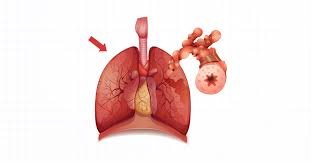
Asthma is a chronic respiratory condition characterized by inflammation and narrowing of the airways, leading to difficulty in breathing.
In homeopathy, asthma is understood as a disorder influenced by constitutional, genetic, and environmental factors.
Symptoms include wheezing, coughing, chest tightness, shortness of breath, and recurrent respiratory discomfort.
Homeopathic treatment focuses on individualized remedies, considering the patient’s overall constitution, triggers, and symptom patterns.
Supportive measures include avoiding triggers, lifestyle modifications, and monitoring respiratory health to prevent acute attacks.

Asthma (Definition & Understanding in Homeopathy) Read Post »
Asthma

Status Asthmaticus

Status asthmaticus is a severe, life-threatening asthma attack that does not respond to standard inhaler therapy.
It is characterized by extreme wheezing, persistent shortness of breath, chest tightness, and hypoxia.
Triggers include viral infections, allergens, medications, or abrupt discontinuation of asthma treatment.
Immediate medical intervention is required to prevent respiratory failure, often involving high-dose bronchodilators, corticosteroids, and oxygen therapy.
Hospitalization or intensive care may be necessary in severe or refractory cases.

Status Asthmaticus Read Post »

Asthma

Adult-Onset Asthma

Adult-onset asthma refers to asthma that develops for the first time in adulthood, often after age 20.
Symptoms include coughing, wheezing, shortness of breath, and chest tightness, which may be persistent or triggered by allergens or irritants.
Common triggers include respiratory infections, occupational exposures, smoking, stress, and environmental pollutants.
Unlike childhood asthma, adult-onset asthma is often non-allergic and may be more severe or difficult to control.
Management involves inhaled medications, avoiding triggers, lifestyle modifications, and regular monitoring of lung function.

Adult-Onset Asthma Read Post »

Asthma

Childhood Asthma

Childhood asthma is a chronic respiratory condition affecting children, characterized by airway inflammation and hyperreactivity.
Symptoms include recurrent coughing, wheezing, shortness of breath, and chest tightness, often worsening at night or during exercise.
Triggers can include allergens, viral infections, cold air, smoke, and environmental pollutants.
Early diagnosis and management are crucial to prevent severe attacks and long-term lung damage.
Treatment involves inhaled medications, avoiding triggers, monitoring symptoms, and educating caregivers on emergency care.

Childhood Asthma Read Post »

Asthma

Drug-Induced Asthma

Drug-induced asthma occurs when certain medications trigger bronchospasm and airway inflammation.
Common culprits include nonsteroidal anti-inflammatory drugs (NSAIDs), beta-blockers, and some antibiotics.
Symptoms include wheezing, coughing, shortness of breath, and chest tightness shortly after taking the medication.
Individuals with a history of asthma or sensitivity to specific drugs are at higher risk.
Management involves avoiding the triggering drug, using alternative medications, and treating acute symptoms with bronchodilators or corticosteroids.

Drug-Induced Asthma Read Post »

Asthma

Seasonal Asthma – A

Seasonal asthma is triggered by allergens that are more prevalent during specific seasons, such as pollen from trees, grasses, or weeds.
Symptoms include coughing, wheezing, shortness of breath, and chest tightness, often coinciding with high pollen periods.
Common triggers include spring and fall pollen, mold spores, and outdoor environmental allergens.
Individuals with seasonal asthma may also experience worsening of pre-existing asthma or allergic rhinitis.
Management involves avoiding known triggers, using preventive inhalers, antihistamines, and monitoring lung function during peak seasons.

Seasonal Asthma – A Read Post »

Asthma

Occupational Asthma (Work-Related Asthma)

Occupational asthma is caused by exposure to irritants or allergens in the workplace, such as dust, chemicals, fumes, or smoke.
Symptoms include coughing, wheezing, chest tightness, and shortness of breath, often worsening during work hours.
Common triggers include solvents, cleaning agents, flour dust, animal dander, and industrial chemicals.
Repeated exposure can lead to chronic airway inflammation and reduced lung function over time.
Management includes avoiding triggers, using protective equipment, inhaler therapy, and in some cases, changing the work environment.

Occupational Asthma (Work-Related Asthma) Read Post »

Asthma

Nocturnal Asthma (Night-Time Asthma)

Nocturnal asthma is characterized by worsening asthma symptoms during the night, often disturbing sleep.
Common symptoms include coughing, wheezing, shortness of breath, and chest tightness after midnight.
Triggers can include allergens in bedding, cold air, reclining position, or circadian variations in airway function.
Untreated nocturnal asthma can lead to poor sleep quality, fatigue, and decreased daytime functioning.
Management involves adjusting asthma medications, reducing bedroom allergens, using inhalers before bedtime, and monitoring symptoms.

Nocturnal Asthma (Night-Time Asthma) Read Post »

Asthma

Cough-Variant Asthma (CVA)

Cough-Variant Asthma (CVA) is a type of asthma where the primary symptom is a persistent, dry cough.
Unlike classic asthma, wheezing and shortness of breath may be minimal or absent.
Triggers include allergens, respiratory infections, exercise, cold air, or air pollutants.
If untreated, CVA can progress to typical asthma with airway inflammation and bronchoconstriction.
Management involves inhaled corticosteroids, bronchodilators, avoiding triggers, and monitoring lung function.

Cough-Variant Asthma (CVA) Read Post »

Asthma

Exercise-Induced Asthma (EIA)

Exercise-Induced Asthma (EIA) occurs when physical activity triggers narrowing of the airways, causing breathing difficulties.
Symptoms include coughing, wheezing, shortness of breath, and chest tightness during or after exercise.
Triggers can include cold or dry air, high-intensity workouts, or environmental pollutants.
EIA may affect both individuals with chronic asthma and those without a prior asthma diagnosis.
Management involves using pre-exercise inhalers, warming up before activity, and avoiding known triggers.

Exercise-Induced Asthma (EIA) Read Post »