
Author name: Editor

Thyroid

Drug-Induced Hypothyroidism

Drug-induced hypothyroidism occurs when certain medications reduce thyroid hormone production or interfere with its action.
Common causative drugs include amiodarone, lithium, interferon-alpha, and some antithyroid medications.
Symptoms are similar to typical hypothyroidism: fatigue, weight gain, cold intolerance, and depression.
Diagnosis involves reviewing medication history and thyroid function tests to identify the drug responsible.
Management includes adjusting or discontinuing the offending drug and providing thyroid hormone replacement therapy if needed.

Drug-Induced Hypothyroidism Read Post »

Thyroid

Drug-Induced Hyperthyroidism

Drug-induced hyperthyroidism occurs when certain medications trigger excessive thyroid hormone production.
Common causative drugs include amiodarone, interferon-alpha, and excessive thyroid hormone supplements.
Symptoms resemble typical hyperthyroidism: weight loss, palpitations, anxiety, and heat intolerance.
Diagnosis involves reviewing medication history, thyroid function tests, and ruling out other causes.
Management includes stopping or adjusting the offending drug and using antithyroid therapy if needed.

Drug-Induced Hyperthyroidism Read Post »

Thyroid

Thyroid Lymphoma

Thyroid lymphoma is a rare malignant tumor arising from lymphoid tissue within the thyroid gland.
It is more common in elderly women and often associated with Hashimoto’s thyroiditis.
Patients typically present with a rapidly enlarging, painless neck mass causing pressure symptoms.
Diagnosis is made through biopsy and immunohistochemistry to distinguish it from other thyroid cancers.
Treatment mainly involves chemotherapy and radiotherapy, with surgery rarely required.

Thyroid Lymphoma Read Post »

Thyroid

Anaplastic Thyroid Carcinoma (ATC)

Anaplastic thyroid carcinoma is a rare, aggressive, and highly malignant form of thyroid cancer.
It typically affects older adults and grows rapidly, often invading nearby tissues and structures in the neck.
Symptoms include a rapidly enlarging neck mass, difficulty swallowing, hoarseness, and breathing problems.
Diagnosis is confirmed through biopsy and imaging, as it progresses quickly.
Treatment involves a combination of surgery, radiation, and chemotherapy, but prognosis remains poor.

Anaplastic Thyroid Carcinoma (ATC) Read Post »

Thyroid

Medullary Thyroid Carcinoma (MTC)

Medullary thyroid carcinoma is a rare type of thyroid cancer originating from the parafollicular C cells.
These cells produce calcitonin, which can serve as a tumor marker for diagnosis and monitoring.
MTC may occur sporadically or as part of genetic syndromes like MEN 2A and MEN 2B.
Symptoms include a thyroid nodule, neck swelling, diarrhea, or flushing in some cases.
Treatment involves total thyroidectomy, lymph node dissection, and regular follow-up with calcitonin and CEA levels.

Medullary Thyroid Carcinoma (MTC) Read Post »

Thyroid

Follicular Thyroid Carcinoma (FTC)

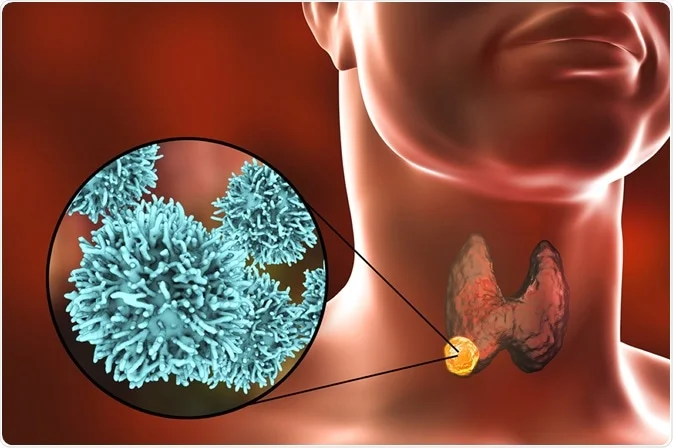
Follicular thyroid carcinoma is the second most common type of thyroid cancer, arising from follicular cells.
It usually presents as a solitary thyroid nodule and spreads through the bloodstream to bones or lungs.
FTC is more common in middle-aged women and areas with iodine deficiency.
Diagnosis requires histopathological examination after surgery, as biopsy alone may not confirm it.
Treatment includes thyroidectomy followed by radioactive iodine therapy and lifelong hormone replacement.

Follicular Thyroid Carcinoma (FTC) Read Post »

Thyroid

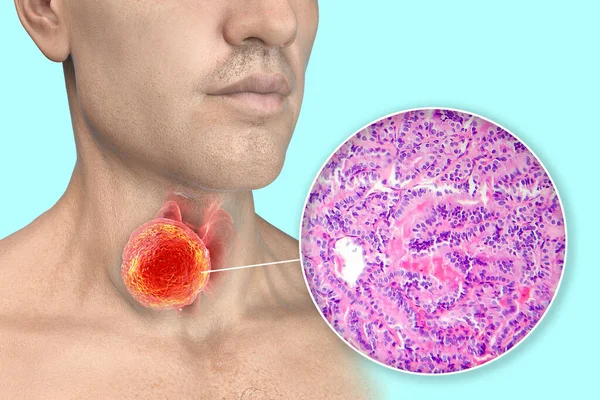
Papillary Thyroid Carcinoma

Papillary thyroid carcinoma is the most common type of thyroid cancer, arising from follicular cells.
It typically grows slowly and has an excellent prognosis with proper treatment.
The disease often presents as a painless thyroid nodule and may spread to nearby lymph nodes.
Diagnosis is confirmed through fine-needle aspiration biopsy and imaging studies.
Treatment includes surgical removal of the thyroid and, if needed, radioactive iodine therapy.

Papillary Thyroid Carcinoma Read Post »

Thyroid

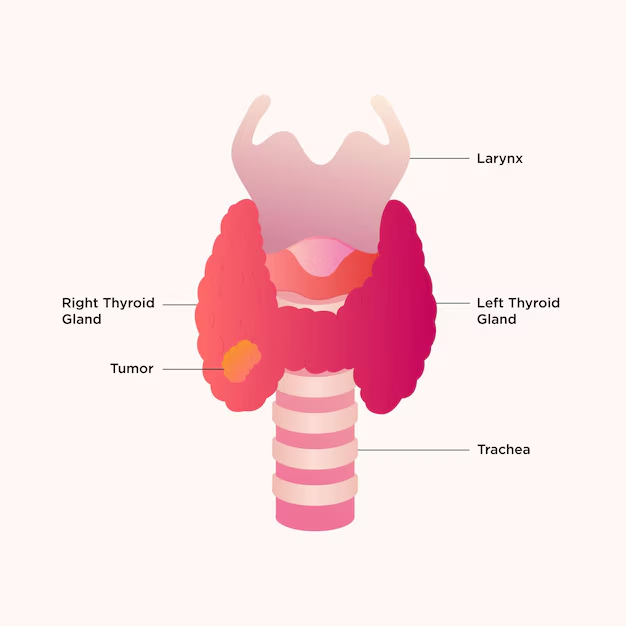
Thyroid Carcinoma

Thyroid carcinoma is a malignant tumor originating from the thyroid gland’s epithelial cells.
It may present as a painless neck nodule, sometimes associated with hoarseness or swallowing difficulty.
The major types include papillary, follicular, medullary, and anaplastic carcinoma.
Early detection through ultrasound and biopsy improves prognosis significantly.
Treatment usually involves surgery, radioactive iodine, and lifelong thyroid hormone therapy.

Thyroid Carcinoma Read Post »

Thyroid

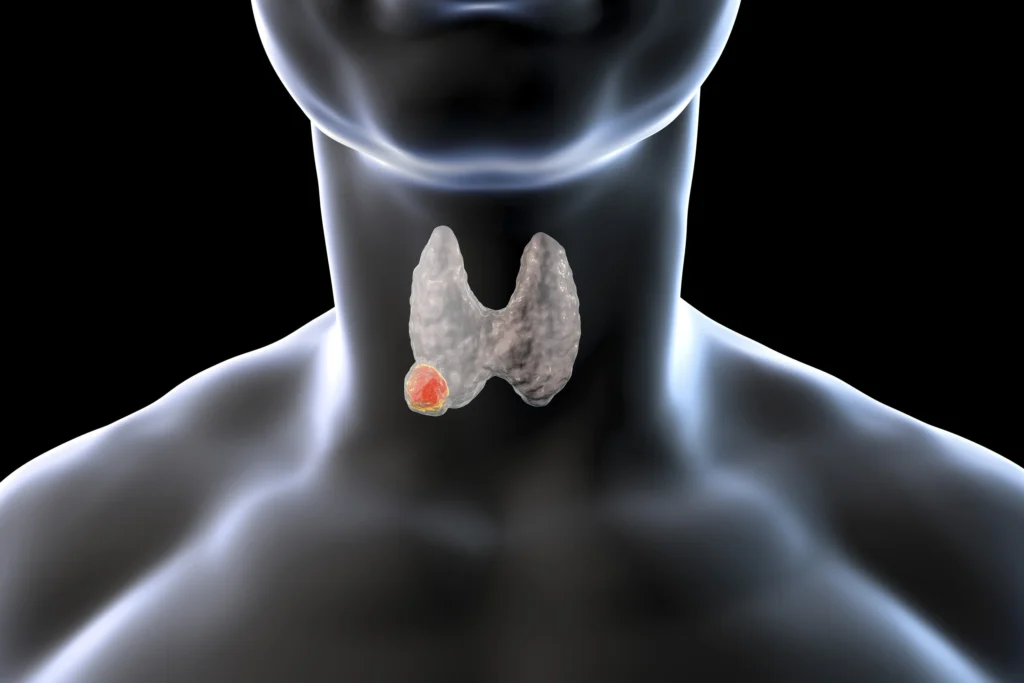
Thyroid Adenoma

Thyroid adenoma is a benign (non-cancerous) tumor of the thyroid gland arising from follicular cells.
It usually presents as a single, painless thyroid nodule that grows slowly.
Most adenomas do not affect thyroid function, but some may produce excess hormones causing hyperthyroidism (toxic adenoma).
Diagnosis is made through ultrasound, fine-needle aspiration, and thyroid function tests.
Treatment may involve observation, surgery, or radioactive iodine depending on symptoms and activity.

Thyroid Adenoma Read Post »

Thyroid

Thyroid Storm (Thyrotoxic Crisis)

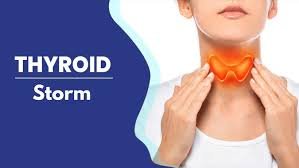
Thyroid storm is a rare, life-threatening complication of uncontrolled hyperthyroidism.
It is characterized by a sudden and severe increase in thyroid hormone levels.
Symptoms include high fever, rapid heartbeat, agitation, confusion, and sometimes heart failure.
Common triggers include infection, surgery, trauma, or discontinuation of antithyroid medication.
Immediate emergency treatment with antithyroid drugs, beta-blockers, and supportive care is essential to prevent mortality.

Thyroid Storm (Thyrotoxic Crisis) Read Post »