Author name: Editor

Sinusitis

Sphenoidal Sinusitis

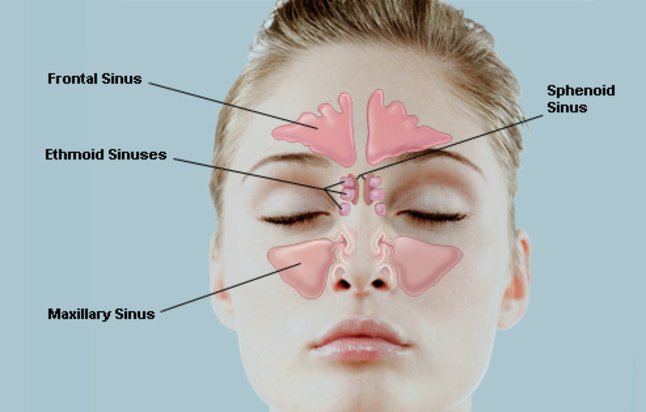
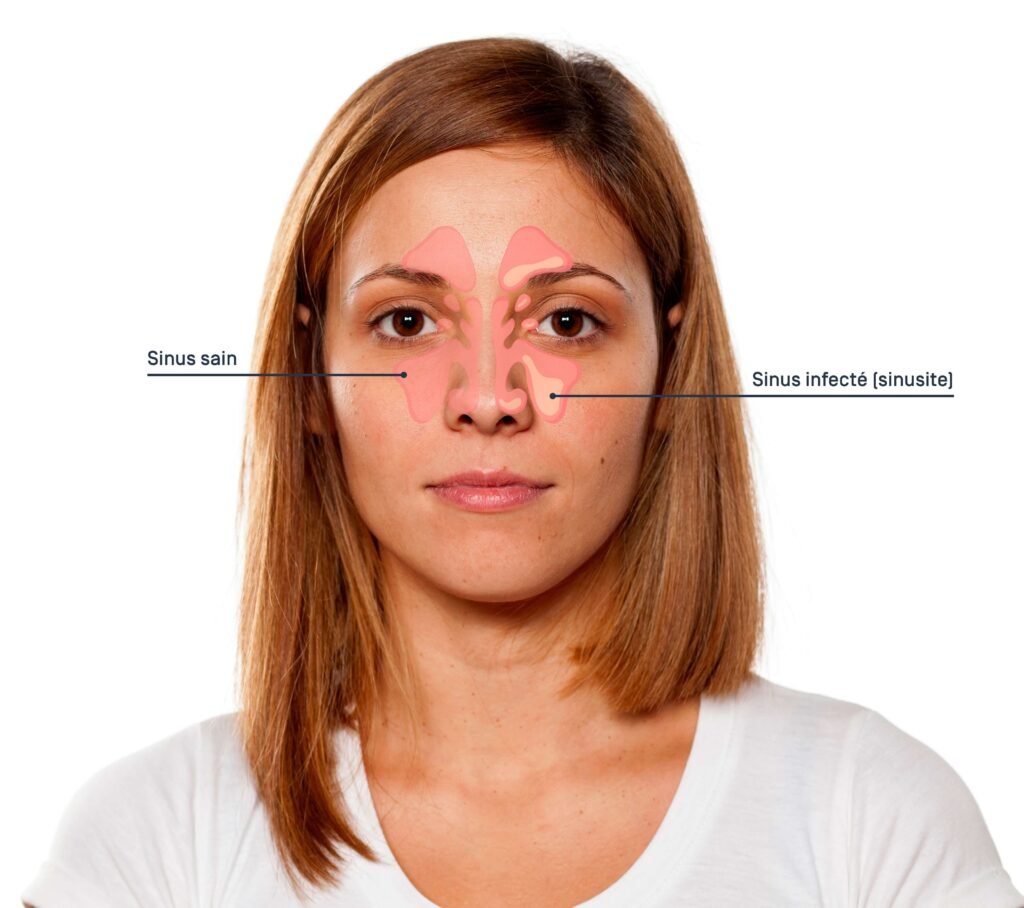
Sphenoidal Sinusitis is the inflammation of the sphenoid sinuses located deep within the skull behind the eyes.
It is less common but can cause severe headaches in the center of the head or behind the eyes.
Symptoms may include vision problems, nasal discharge, fever, and facial pain.
Because of its deep location, diagnosis is often delayed or mistaken for other conditions.
Treatment typically involves antibiotics, nasal decongestants, and in chronic cases, endoscopic sinus surgery.

Sphenoidal Sinusitis Read Post »
Sinusitis

Ethmoidal Sinusitis

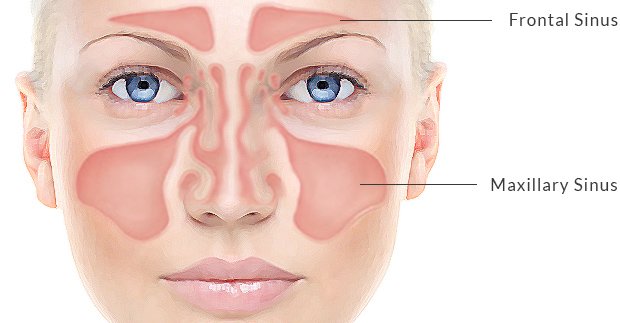
Ethmoidal Sinusitis is the inflammation of the ethmoid sinuses, located between the eyes and behind the bridge of the nose.
It commonly results from viral or bacterial infections and can cause nasal congestion, pain between the eyes, and headache.
Patients may also experience swelling around the eyes, postnasal drip, and reduced sense of smell.
The condition can be acute or chronic depending on duration and underlying cause.
Treatment includes decongestants, antibiotics if bacterial, and sometimes sinus irrigation or surgery for chronic cases.

Ethmoidal Sinusitis Read Post »

Sinusitis

Frontal Sinusitis

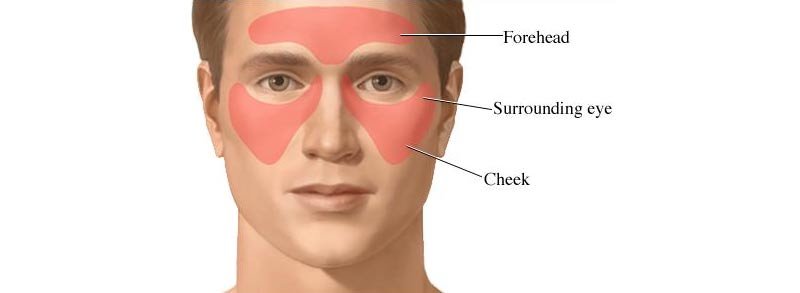
Frontal Sinusitis is the inflammation of the frontal sinuses located in the forehead region. It often results from infections spreading from the nasal passages. Symptoms include forehead pain, tenderness, nasal congestion, and headache that worsens when bending forward. Chronic cases may cause persistent discomfort and pressure. Early diagnosis and treatment help prevent complications.

Frontal Sinusitis Read Post »

Sinusitis

Maxillary Sinusitis

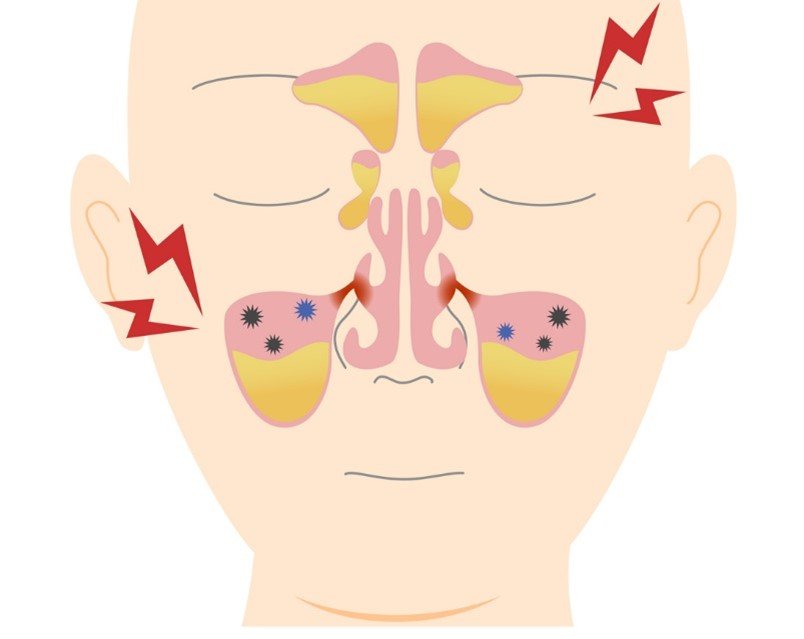
Maxillary Sinusitis is inflammation of the maxillary sinuses, located in the cheek area. It commonly causes facial pain or pressure, nasal congestion, and thick nasal discharge. Toothache in the upper jaw and tenderness over the cheeks are frequent symptoms. It can result from bacterial, viral, or fungal infections. Treatment includes antibiotics, nasal decongestants, and sometimes sinus drainage.

Maxillary Sinusitis Read Post »

Sinusitis

Chronic Sinusitis

Chronic Sinusitis is a long-lasting inflammation of the sinuses that persists for 12 weeks or more, despite treatment attempts. It is often caused by ongoing infection, nasal polyps, or structural nasal issues. Symptoms include facial pain, nasal blockage, reduced sense of smell, and postnasal drip. Unlike acute sinusitis, it develops slowly and may recur frequently. Proper management requires medical evaluation, long-term therapy, and sometimes surgery.

Chronic Sinusitis Read Post »

Sinusitis

Acute Sinusitis

Acute Sinusitis is a short-term inflammation of the sinuses usually caused by a viral or bacterial infection following a cold or allergy. It leads to symptoms like nasal congestion, facial pain or pressure, thick nasal discharge, and headache. The condition generally lasts less than four weeks. Proper hydration, steam inhalation, and medical treatment help in faster recovery. If untreated, it may progress to chronic sinusitis.

Acute Sinusitis Read Post »

Sinusitis

Sinusitis

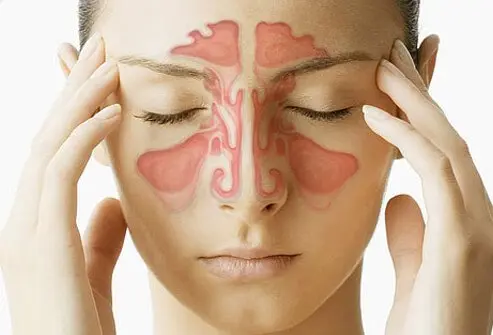
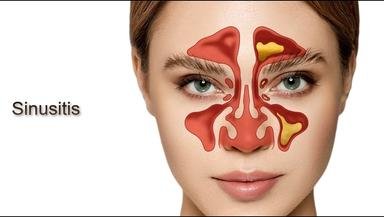
Sinusitis is the inflammation or swelling of the tissue lining the sinuses, often due to infection, allergies, or pollutants.
It leads to blockage of nasal passages, facial pain or pressure, and headache.
Symptoms may include nasal congestion, thick discharge, reduced smell, and cough.
It can be acute, subacute, or chronic depending on duration and cause.
Proper hydration, decongestants, and in some cases antibiotics help in recovery.

Sinusitis Read Post »

Thyroid

Thyroid Dysfunction in Pregnancy

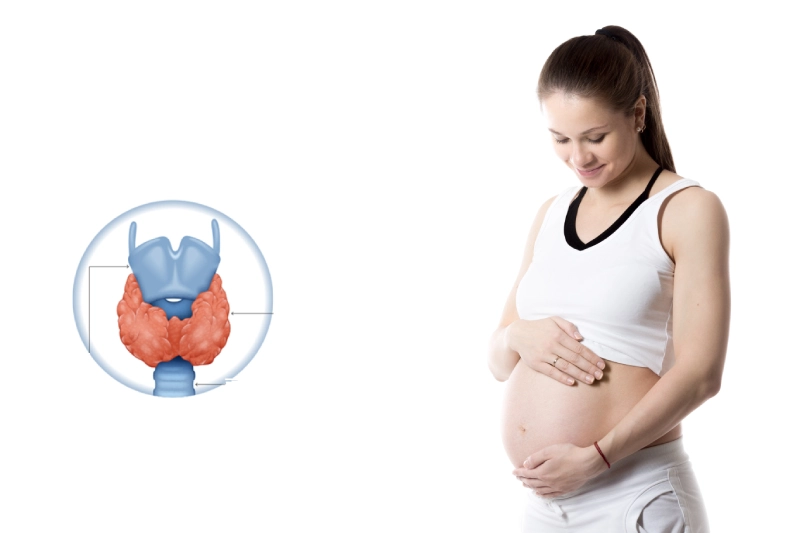
Thyroid dysfunction during pregnancy can manifest as hypothyroidism or hyperthyroidism, affecting both mother and fetus.
Untreated hypothyroidism may lead to miscarriage, preterm birth, and impaired fetal neurodevelopment.
Hyperthyroidism increases the risk of preeclampsia, low birth weight, and maternal heart complications.
Diagnosis requires careful monitoring of thyroid function tests, as normal pregnancy alters thyroid hormone levels.
Management involves adjusting thyroid medications to maintain optimal hormone levels for maternal and fetal health.

Thyroid Dysfunction in Pregnancy Read Post »

Thyroid

Post-Surgical Hypothyroidism

Post-surgical hypothyroidism occurs when thyroid hormone levels drop following partial or total thyroid removal.
It is a common complication after thyroidectomy performed for nodules, cancer, or hyperthyroidism.
Symptoms include fatigue, weight gain, cold intolerance, dry skin, and slowed mental activity.
Diagnosis is confirmed with thyroid function tests showing low T4 and elevated TSH levels.
Treatment involves lifelong thyroid hormone replacement therapy to maintain normal metabolism and health.

Post-Surgical Hypothyroidism Read Post »

Thyroid

Post-Radiation Thyroiditis

Post-radiation thyroiditis occurs due to inflammation of the thyroid gland following exposure to radiation, often after cancer treatment.
It can lead to temporary hyperthyroidism as damaged thyroid cells release stored hormones.
Symptoms may include neck discomfort, palpitations, weight changes, and fatigue.
Thyroid function usually fluctuates, sometimes progressing to hypothyroidism over time.
Management involves monitoring thyroid hormone levels and providing supportive care or hormone replacement if needed.

Post-Radiation Thyroiditis Read Post »