Author name: Editor

images
diabetic

Hyperosmolar Hyperglycemic State (HHS)

Hyperosmolar Hyperglycemic State (HHS) is a life-threatening diabetes complication marked by extremely high blood sugar, severe dehydration, and altered consciousness, usually without significant ketone buildup.Hyperosmolar Hyperglycemic State (HHS) is a life-threatening diabetes complication marked by extremely high blood sugar, severe dehydration, and altered consciousness, usually without significant ketone buildup.

Hyperosmolar Hyperglycemic State (HHS) Read Post »

coronary artery disease a macrovascular complication
Chronic diseases, diabetic

Cardiovascular Complications in Diabetes

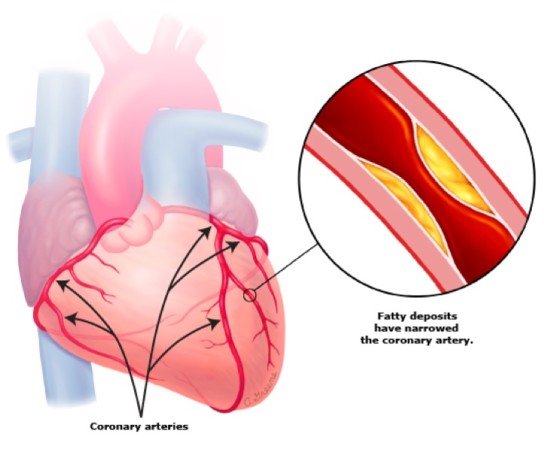
Diabetes significantly increases the risk of cardiovascular diseases (CVD), including heart disease, stroke, and heart failure. Elevated blood sugar levels can damage blood vessels and nerves, leading to conditions such as atherosclerosis, where fatty deposits narrow arteries and restrict blood flow to the heart. This can result in chest pain, heart attacks, and other serious complications.

Cardiovascular Complications in Diabetes Read Post »

diabetic retinopathy
Chronic diseases, diabetic, eye sight

Diabetic Retinopathy

Diabetic retinopathy is a diabetes-related eye condition that damages the retina’s blood vessels, potentially leading to vision loss. Initially, it may present no symptoms or only mild vision issues, but as it progresses, symptoms can include blurred vision, floaters, and even blindness. Managing blood sugar levels effectively is crucial in preventing or slowing the disease’s progression. Regular eye exams are essential for early detection and treatment.

Diabetic Retinopathy Read Post »

diabetic foot medical diagram infographics 600nw 2388798505
Chronic diseases, diabetic

Diabetic Foot Problems

Diabetes can lead to foot complications such as ulcers, numbness, and burning pain. High blood sugar levels may damage nerves (neuropathy) and impair blood flow (peripheral vascular disease), increasing the risk of these issues.
Diabetes can lead to significant foot complications due to nerve damage (neuropathy) and poor circulation (peripheral arterial disease). Neuropathy may cause loss of sensation, making it difficult to detect injuries like cuts or blisters, which can become infected if unnoticed. Additionally, reduced blood flow hampers the healing process, increasing the risk of ulcers and infections. In severe cases, untreated foot problems can lead to amputations.

Diabetic Foot Problems Read Post »

41572 2019 92 fig1 html
Chronic diseases, diabetic

Diabetic Neuropathy

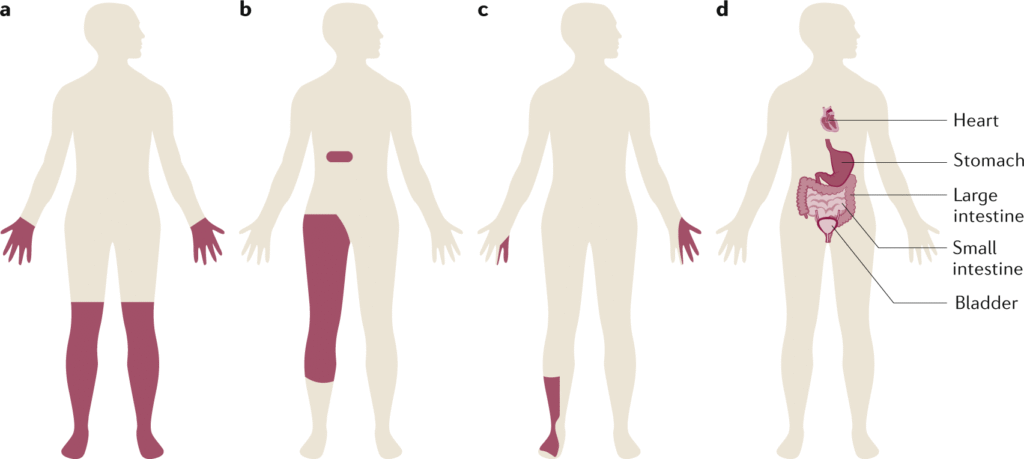
Diabetic neuropathy is a type of nerve damage caused by persistently high blood sugar levels in people with diabetes. It often affects the legs and feet, leading to numbness, tingling, burning pain, or weakness. Over time, it can interfere with daily activities and increase the risk of injuries or infections. Proper blood sugar control, healthy lifestyle habits, and timely treatment can help manage symptoms and slow its progression.

Diabetic Neuropathy Read Post »

Close-up of a man holding a glucometer to check blood sugar levels, highlighting diabetes awareness.
diabetic

Blood Sugar

Blood sugar–related problems occur when the level of glucose in the blood becomes too high (hyperglycemia) or too low (hypoglycemia). Common causes include diabetes, poor diet, lack of exercise, stress, and hormonal imbalances. High blood sugar over time can damage blood vessels, nerves, kidneys, and eyes, while low blood sugar can cause dizziness, confusion, sweating, and even loss of consciousness. Maintaining balanced blood sugar through healthy eating, regular activity, and proper medical care is essential to prevent complications.

Blood Sugar Read Post »

Flat lay of diabetes awareness tools on a blue backdrop with calendar.
Chronic diseases

Diabetes Mellitus

Diabetes mellitus is a group of metabolic disorders characterized by chronic high blood sugar levels due to defects in insulin secretion, insulin action, or both. The main types are Type 1 diabetes, an autoimmune condition leading to insulin deficiency, and Type 2 diabetes, characterized by insulin resistance and often associated with obesity and a sedentary lifestyle. Common symptoms include excessive thirst, frequent urination, and unexplained weight loss. If left untreated, diabetes can lead to serious complications such as heart disease, nerve damage, and kidney failure.

Diabetes Mellitus Read Post »