Author name: Editor

dialysis vs transplant kidney
Kidney

Dialysis vs Kidney Transplant – Homeopathic Perspective

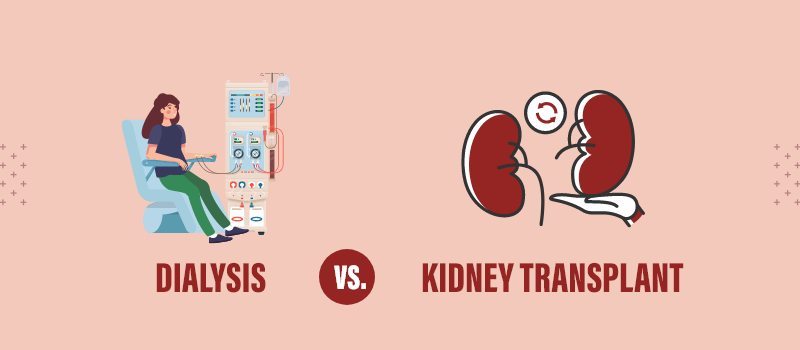
Dialysis and kidney transplant are two major treatments for kidney failure. Dialysis helps filter waste and excess fluid from the blood when kidneys stop working, while a kidney transplant replaces the failed kidney with a healthy one, offering a more permanent solution. Both options have benefits and challenges depending on the patient’s health condition.

Dialysis vs Kidney Transplant – Homeopathic Perspective Read Post »
acute kidney injury
Kidney

Acute Kidney Injury (AKI)

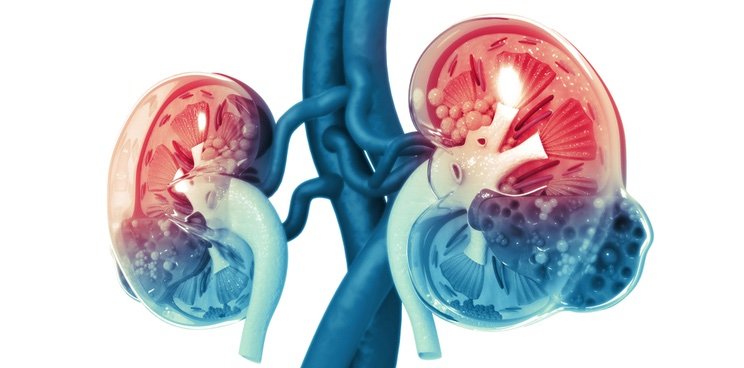
Acute Kidney Injury (AKI) is a sudden decline in kidney function that occurs within hours or days, leading to the buildup of waste and fluid imbalance in the body. It can be triggered by dehydration, infections, certain medications, or severe illness, and often requires urgent medical care to prevent long-term kidney damage.

Acute Kidney Injury (AKI) Read Post »

human,kidney,cross,section.3d,render
Chronic diseases, Kidney

Kidney Failure (Chronic Kidney Disease – CKD)

Kidney failure occurs when the kidneys lose their ability to filter waste and excess fluids from the blood effectively. This condition can be acute or chronic, leading to a buildup of toxins in the body and requiring treatments such as dialysis or kidney transplantation. Early detection and management are crucial to slowing disease progression and maintaining overall health.

Kidney Failure (Chronic Kidney Disease – CKD) Read Post »

kidney stones
Chronic diseases, Kidney, Stone Related Conditions

Kidney Stones (Renal Calculi) – Homeopathic Perspective

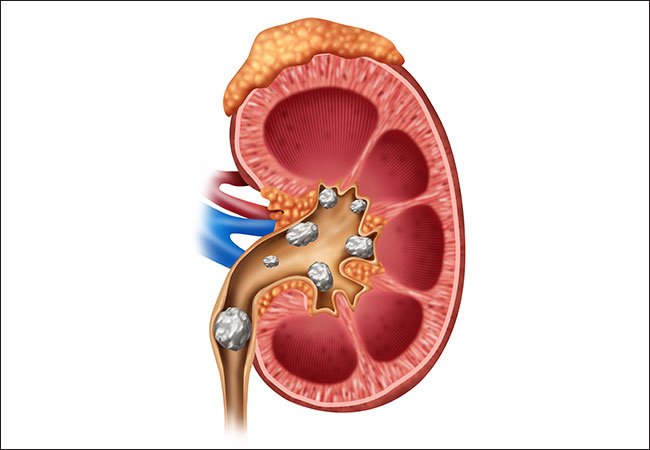
Kidney stones are solid masses made of crystals that form in the kidneys when certain substances in the urine become concentrated. They can cause intense pain, especially when moving through the urinary tract, and may lead to complications if not treated. Prevention often involves staying well-hydrated and making dietary adjustments to reduce the risk of stone formation

Kidney Stones (Renal Calculi) – Homeopathic Perspective Read Post »

type 2 diabetes and erectile
diabetic, Male Health Issues

Diabetes & Erectile Dysfunction (ED)

Erectile Dysfunction (ED) is a common complication of diabetes, caused by long-term damage to blood vessels and nerves that control erections. High blood sugar levels reduce blood flow and impair nerve function, making it difficult to achieve or maintain an erection. Stress, obesity, and hormonal imbalance can further worsen the condition. Early management of diabetes through healthy lifestyle changes, medications, and open discussion with healthcare professionals can improve both blood sugar control and sexual health.

Diabetes & Erectile Dysfunction (ED) Read Post »

thyroid with diabetes
diabetic

Diabetes & Thyroid Disorders

Diabetes and thyroid disorders are closely linked endocrine conditions that often occur together. An imbalance in thyroid hormones can affect blood sugar regulation, while diabetes can impact thyroid function. Hypothyroidism may slow metabolism and worsen insulin resistance, whereas hyperthyroidism can cause unstable blood sugar levels. Regular screening, timely diagnosis, and proper management of both conditions are essential for maintaining overall hormonal balance and long-term health.

Diabetes & Thyroid Disorders Read Post »

pcos
diabetic, Female Health Issues

Diabetes & Polycystic Ovary Syndrome (PCOS)

Polycystic Ovary Syndrome (PCOS) is a common hormonal disorder in women of reproductive age that often leads to irregular periods, excess androgens, and ovarian cysts. One of its key underlying issues is insulin resistance, which increases the risk of developing type 2 diabetes. Women with PCOS are more prone to weight gain, difficulty managing blood sugar, and long-term complications such as metabolic syndrome. Early lifestyle changes, including a balanced diet, regular exercise, and medical management, can help improve insulin sensitivity and reduce the risk of diabetes in women with PCOS.

Diabetes & Polycystic Ovary Syndrome (PCOS) Read Post »

diabetes and sleep apnea
diabetic

Diabetes & Sleep Apnea

Sleep apnea is a sleep disorder where breathing repeatedly stops and starts during sleep. It is more common in people with diabetes, especially those who are overweight or obese. Poor sleep quality worsens insulin resistance and blood sugar control. Treating sleep apnea with lifestyle changes or CPAP therapy can improve both sleep and diabetes management.

Diabetes & Sleep Apnea Read Post »

high cholesterol dislipidemia
diabetic

Diabetes & Dyslipidemia (Cholesterol / Lipid Problems)

Dyslipidemia refers to abnormal levels of cholesterol and other blood lipids, and it is very common in people with diabetes. High LDL (“bad” cholesterol), high triglycerides, and low HDL (“good” cholesterol) accelerate the buildup of fatty deposits in blood vessels, leading to atherosclerosis, heart disease, and stroke. When combined with high blood sugar, these lipid problems significantly increase cardiovascular risk. Regular lipid screening, a balanced diet low in saturated fats, regular exercise, weight management, and medications such as statins are important in controlling dyslipidemia and protecting heart health in people with diabetes.

Diabetes & Dyslipidemia (Cholesterol / Lipid Problems) Read Post »