Author name: Editor

Cancer, Female Health Issues

Uterine Cancer (Endometrial Cancer)

Uterine Cancer, most commonly Endometrial Cancer, develops in the lining of the uterus (womb).
It is more common in postmenopausal women and linked to obesity, hormonal imbalance, and family history.
Symptoms include abnormal vaginal bleeding, pelvic pain, painful urination, and pain during intercourse.
If untreated, it can spread to nearby pelvic organs and lymph nodes.
Treatment may include surgery (hysterectomy), radiation therapy, chemotherapy, hormone therapy, or targeted therapy.

Uterine Cancer (Endometrial Cancer) Read Post »
Male Health Issues

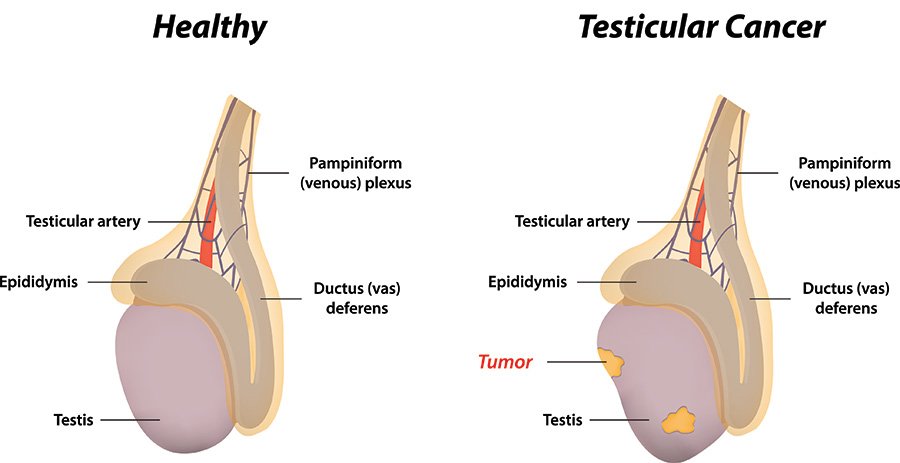
Testicular Cancer

Testicular Cancer develops in the testicles, the male reproductive glands that produce sperm and testosterone.
It is most common in younger men (ages 15–35) but can occur at any age.
Risk factors include undescended testicle, family history, HIV infection, and previous testicular cancer.
Symptoms include a painless lump or swelling in the testicle, heaviness in the scrotum, and discomfort in the groin.
Treatment usually involves surgery (orchiectomy), and may include chemotherapy, radiation therapy, or targeted therapy.

Testicular Cancer Read Post »

Cancer

Prostate Cancer

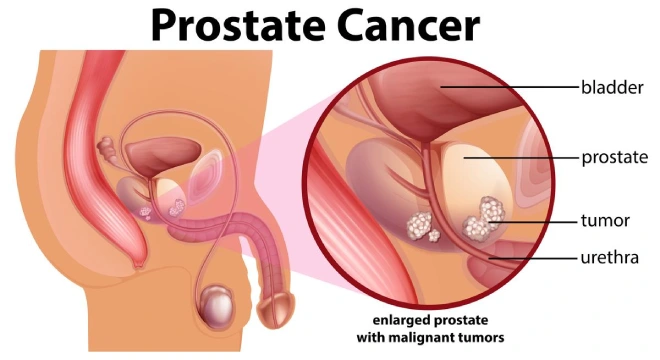
Prostate Cancer develops in the prostate gland, a small gland in men that produces seminal fluid.
It is one of the most common cancers in men, often growing slowly but sometimes aggressively.
Risk factors include older age, family history, obesity, and high-fat diet.
Symptoms may include difficulty urinating, weak urine flow, blood in urine or semen, pelvic discomfort, and erectile dysfunction.
Treatment options include active surveillance, surgery, radiation therapy, hormone therapy, chemotherapy, and immunotherapy.

Prostate Cancer Read Post »

Cancer

Bladder Cancer

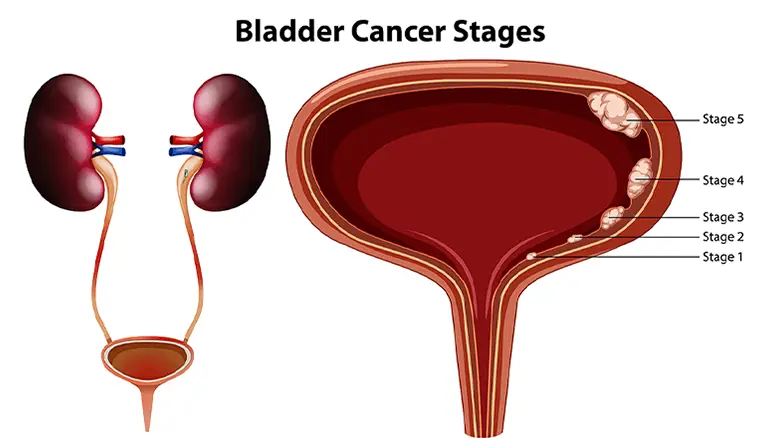
Bladder Cancer develops in the cells of the bladder, the organ that stores urine.
It is most commonly transitional cell carcinoma, but other types can also occur.
Risk factors include smoking, chemical exposure, chronic bladder inflammation, and family history.
Symptoms include blood in urine (hematuria), frequent urination, pain during urination, and pelvic pain.
Treatment may involve surgery, chemotherapy, radiation therapy, targeted therapy, or immunotherapy.

Bladder Cancer Read Post »

nasopharyngeal cancer (npc)
Cancer

Nasopharyngeal Cancer (NPC)

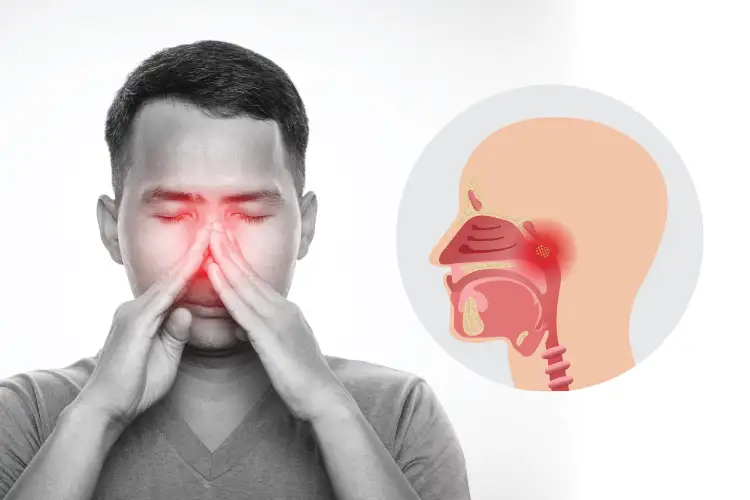
Nasopharyngeal Cancer (NPC) develops in the nasopharynx, the upper part of the throat behind the nose.
It is more common in certain regions like Southeast Asia and is linked to Epstein-Barr virus (EBV) infection, smoking, and genetics.
Symptoms include nasal blockage, nosebleeds, hearing loss, ringing in the ears, and swollen lymph nodes in the neck.
Because early symptoms resemble common illnesses, diagnosis is often delayed.
Treatment options include radiation therapy, chemotherapy, targeted therapy, and immunotherapy.

Nasopharyngeal Cancer (NPC) Read Post »

lung cancer
Cancer

Lung Cancer

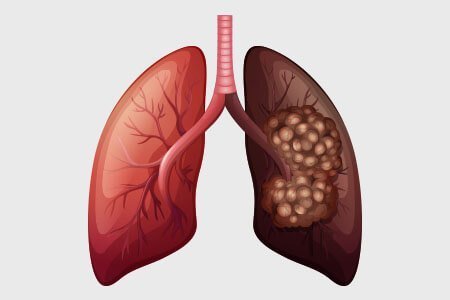
Lung Cancer is a disease in which abnormal cells grow uncontrollably in the lungs, interfering with breathing.
It is strongly associated with smoking, but can also occur due to pollution, asbestos, and genetic factors.
The two main types are small cell lung cancer (SCLC) and non-small cell lung cancer (NSCLC).
Symptoms include persistent cough, chest pain, shortness of breath, coughing up blood, and weight loss.
Treatment includes surgery, chemotherapy, radiation therapy, targeted therapy, and immunotherapy.

Lung Cancer Read Post »

colorectal cancer
Cancer

Colorectal Cancer

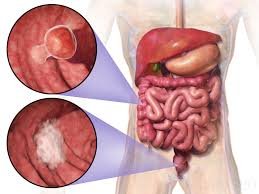
Colorectal Cancer is a cancer that affects the colon and rectum, parts of the large intestine.
It often begins as benign polyps that may turn cancerous over time.
Risk factors include older age, family history, inflammatory bowel disease, smoking, obesity, and low-fiber diet.
Symptoms include changes in bowel habits, blood in stool, abdominal pain, fatigue, and unexplained weight loss.
Treatment options include surgery, chemotherapy, radiation therapy, targeted therapy, and immunotherapy.

Colorectal Cancer Read Post »

pancreatic cancer
Cancer

Pancreatic Cancer

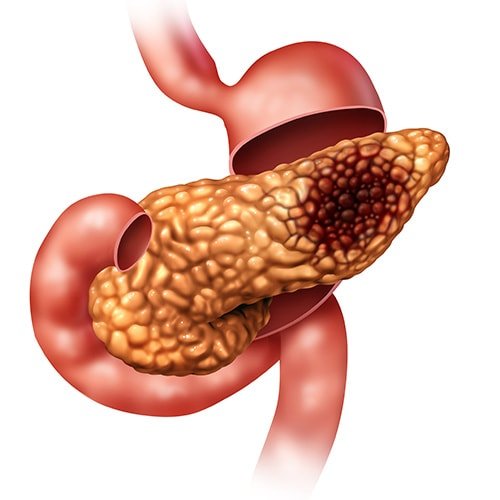
Pancreatic Cancer develops in the tissues of the pancreas, an organ that produces digestive enzymes and hormones like insulin.
It often has no early symptoms, making it difficult to detect until advanced stages.
Risk factors include smoking, obesity, chronic pancreatitis, diabetes, and family history.
Symptoms may include abdominal pain, jaundice, unexplained weight loss, nausea, and digestive problems.
Treatment options include surgery, chemotherapy, radiation therapy, targeted therapy, and immunotherapy.

Pancreatic Cancer Read Post »

anal cancer
Cancer

Anal Cancer

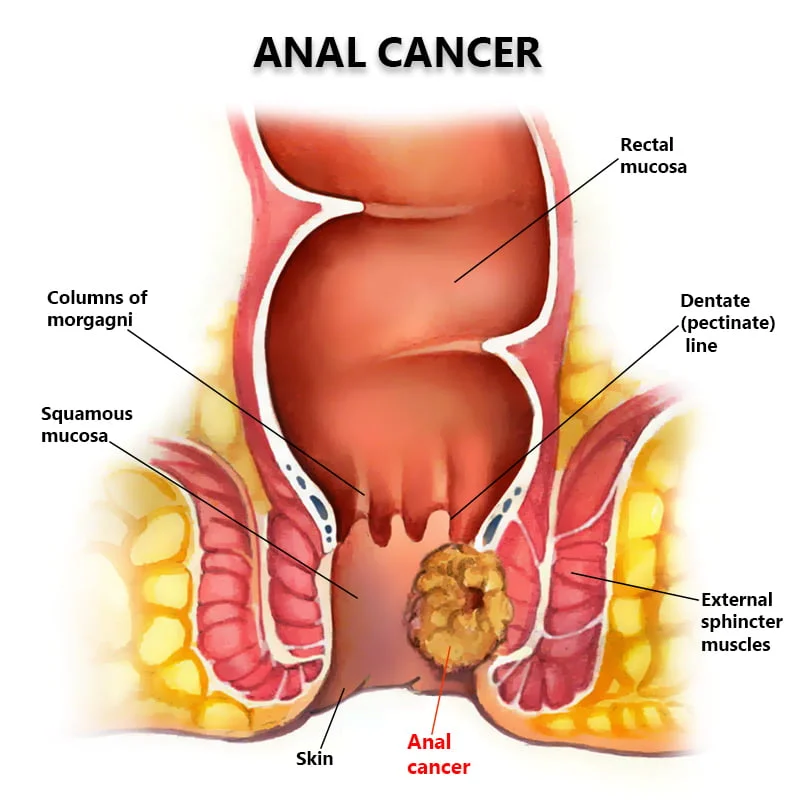
Anal Cancer develops in the tissues of the anus, the opening at the end of the rectum.
It is often linked to human papillomavirus (HPV) infection, smoking, and weakened immunity.
Symptoms include bleeding from the anus, pain, itching, lumps, and changes in bowel habits.
Although rare, early detection improves treatment outcomes significantly.
Treatment options include surgery, radiation therapy, chemotherapy, and targeted therapy.

Anal Cancer Read Post »

rectal cancer
Cancer

Rectal Cancer

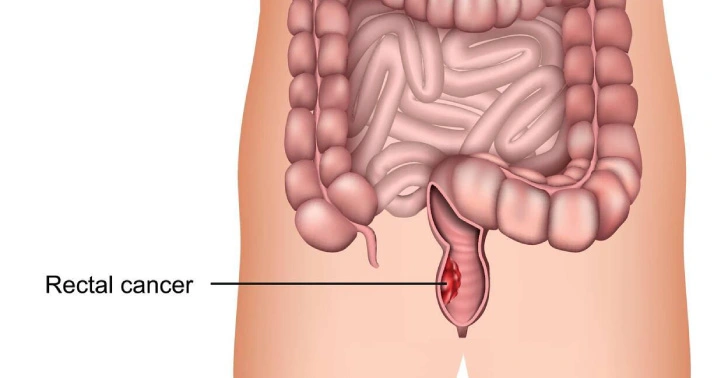
Rectal Cancer develops in the rectum, the last portion of the large intestine just before the anus.
It often begins as small growths called polyps that can become cancerous over time.
Risk factors include family history, older age, inflammatory bowel disease, smoking, and diet.
Symptoms include rectal bleeding, changes in bowel habits, abdominal pain, weakness, and weight loss.
Treatment usually involves surgery, radiation therapy, chemotherapy, and targeted therapy.

Rectal Cancer Read Post »