Post-Surgical Hypothyroidism
What is Post-Surgical Hypothyroidism
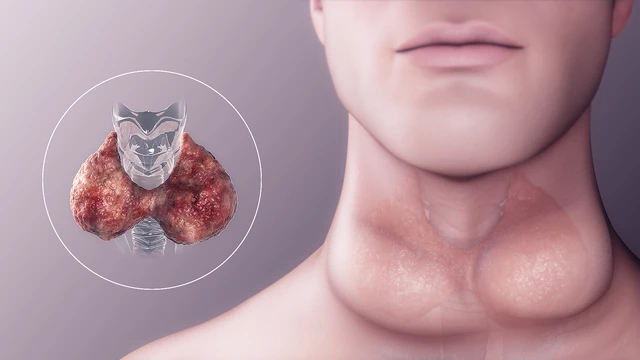
Post-surgical hypothyroidism is a condition that occurs after partial or complete surgical removal of the thyroid gland — usually done for thyroid cancer, large goitre, or overactive thyroid (hyperthyroidism).
In homeopathic view, such a state represents a loss of glandular balance and weakening of the body’s vital energy after a surgical shock.
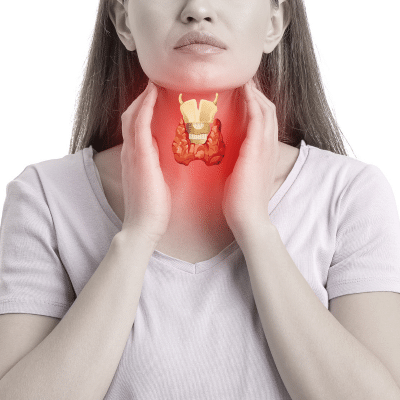
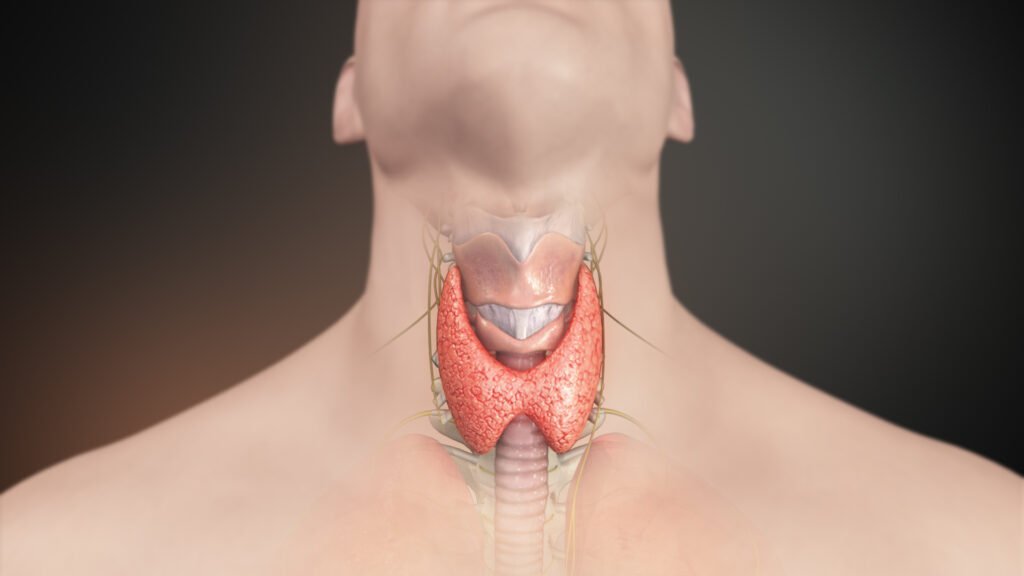
When the thyroid gland (which controls metabolism, temperature, and energy) is removed or damaged, the body slows down — leading to hypothyroidism or low thyroid hormone levels.
This is not merely a mechanical loss of tissue; it’s a disturbance of the vital force, and homeopathy aims to restore equilibrium at both physical and emotional levels.
Causes
1. Thyroidectomy:
Partial or total surgical removal of the thyroid gland (for cancer, nodules, or goitre).
2. Accidental removal or injury to thyroid tissue during parathyroid or neck surgeries.
3. Post-radioactive iodine ablation (as part of thyroid cancer treatment).
4. Scar tissue formation or fibrosis post-surgery that impairs remaining gland function.
Pathophysiology
After the thyroid gland (or a major part of it) is removed, the body cannot produce enough thyroxine (T4) and triiodothyronine (T3) hormones.
The pituitary gland senses this drop and increases TSH (thyroid-stimulating hormone) to stimulate the thyroid, but since the gland is gone or inactive, the hormone level remains low — leading to permanent hypothyroidism
Symptoms
Post-surgical hypothyroidism develops gradually over weeks or months after surgery.
Some of the common symptoms include:
- Fatigue and weakness
- Intolerance to cold
- Weight gain despite poor appetite
- Puffy face and swollen eyelids
- Dry, rough skin and hair fall
- Hoarse voice
- Constipation
- Slow heart rate
- Depression, dullness, or forgetfulness
- Slow healing after surgery
If untreated for long, it can lead to myxedema — severe thyroid hormone deficiency causing extreme tiredness and puffiness.
Diagnosis
- History: Previous thyroid or neck surgery.
- Blood Tests:
- Low T3, T4
- High TSH
- Ultrasound: To assess remaining thyroid tissue (if any).
Homeopathic Perspective
Homeopathy approaches post-surgical hypothyroidism as a vital imbalance caused by loss of organ function and surgical trauma.
The goal is to:
1. Support the remaining thyroid tissue (if any).
2. Rebalance the hormonal axis naturally.
3. Heal surgical trauma and improve vitality.
4. Prevent dependency on high-dose hormone replacements (in some mild or partial cases).
While total thyroid removal cases may need hormone supplements lifelong, homeopathy helps in better absorption, regulation, and general well-being of such patients.
Homeopathic Remedies
Remedy Key Indications / Use
Thyroidinum Main remedy to stimulate remaining thyroid tissue; helps reduce fatigue, weight gain, and mental dullness after surgery.
Calcarea Carbonica For sluggish metabolism, weight gain, and chilliness post-thyroidectomy; suited to calm, thoughtful, easily tired patients.
Sepia Hormonal regulator, especially in females with fatigue, hair fall, irritability, and menstrual irregularities after thyroid surgery.
Lycopodium For digestive issues, gas, bloating, and right-sided glandular weakness after surgery. Improves confidence and self-esteem.
Silicea Helps in post-surgical healing, scar tissue softening, and gentle glandular stimulation. Boosts vitality and tissue repair.
Graphites For rough, dry skin, hair fall, constipation, and overweight patients after thyroid removal. Excellent in long-standing hypothyroid cases.
Conium Maculatum Specifically helps after surgical trauma or scarring of glands. Supports glandular healing and hormonal balance.
(Remedy selection depends on individual constitution and mental-physical symptom totality.)
Management Tips
- Regular thyroid profile (T3, T4, TSH) monitoring.
- Eat a balanced diet rich in selenium, zinc, and proteins.
- Avoid excess raw cruciferous vegetables (cabbage, cauliflower, broccoli) as they can suppress thyroid.
- Practice gentle neck exercises and yoga (Sarvangasana, Matsyasana) after medical clearance.
- Maintain emotional balance — stress often aggravates thyroid dysfunction.
Summary
Post-surgical hypothyroidism is a condition where the thyroid gland loses its function after surgical removal or injury.
Patients experience fatigue, chilliness, weight gain, and slow metabolism.
Homeopathy offers natural glandular support, helps heal surgical trauma, and restores vitality by stimulating remaining thyroid function (if present) and improving the body’s overall hormonal balance.
With regular follow-up and properly selected remedies, many patients notice better energy, improved digestion, and emotional stability even after surgery.