Drug-Induced Hyperthyroidism
What is Drug-Induced Hyperthyroidism
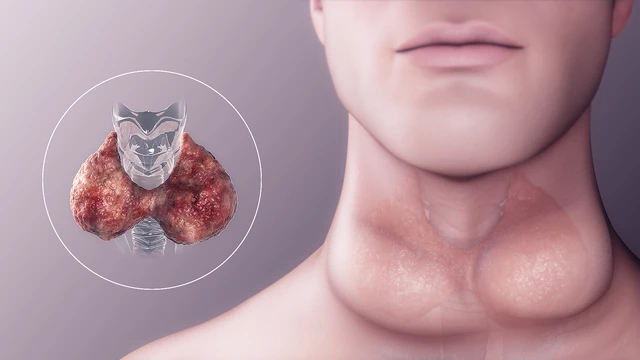
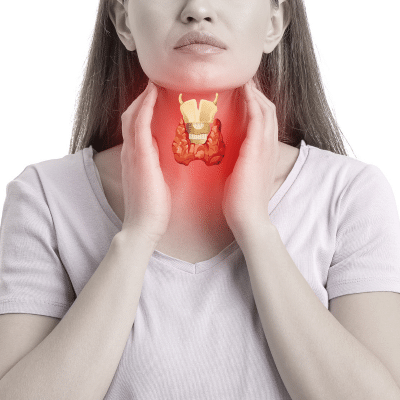
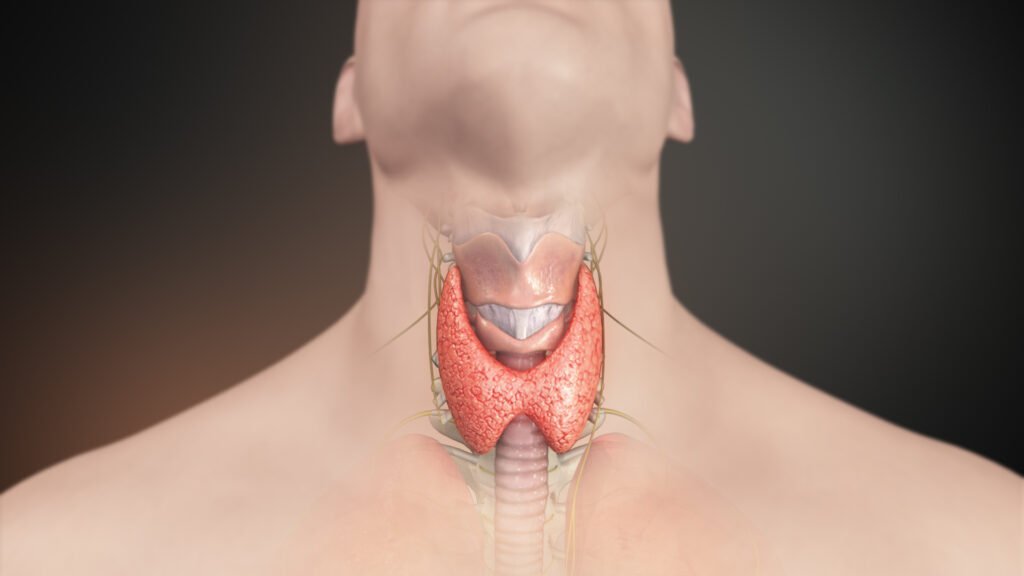
Drug-Induced Hyperthyroidism means a condition where certain medications or chemicals cause the thyroid gland to become overactive, leading to an excess production of thyroid hormones (T₃ and T₄) in the body.
In homeopathic understanding, this condition reflects a disturbance of the body’s natural equilibrium — the drug or chemical acts as an external exciting factor, overstimulating the thyroid and disturbing the vital force.
Homeopathy, therefore, aims to restore this balance gently and naturally, without further suppression or overstimulation.
“In Drug-Induced Hyperthyroidism, the gland becomes the battlefield of medicinal disturbance. Homeopathy restores peace — not by suppressing, but by harmonizing.”
Through individualized remedies and holistic guidance, homeopathy helps the thyroid recover from drug overaction, calm the nervous system, and reestablish natural metabolic balance — gently and deeply.
Causes
Certain drugs can either increase thyroid hormone production or release pre-formed hormones from the gland.
Below are the most common culprits:
- Amiodarone – a heart medicine rich in iodine; excessive iodine may trigger hyperthyroidism.
- Interferon-alpha – used in hepatitis or immune conditions.
- Lithium – sometimes causes hyperthyroidism (though more often hypothyroidism).
- Iodine-containing drugs or contrast dyes – excessive iodine exposure may “wake up” a dormant overactive gland.
- Immune-modulating drugs – can lead to thyroid inflammation and subsequent hyperactivity.
Homeopathically speaking, these medicines disturb the delicate endocrine harmony, leading to overfunctioning of the gland as a reactive defense.
Symptoms
When the thyroid becomes overactive due to drugs, symptoms often appear similar to general hyperthyroidism:
- Palpitations and fast heartbeat
- Excessive sweating
- Increased appetite but weight loss
- Nervousness, irritability, restlessness
- Shortness of breath and tremors
- Disturbed sleep
- Frequent bowel movements or loose stool
- Sometimes mild eye changes (in iodine-related types)
Symptoms usually appear weeks to months after starting the causative medication.
Types
1. Type 1 Amiodarone-Induced Thyrotoxicosis (AIT) –
Occurs in patients with pre-existing thyroid disease (like nodular goiter or Graves’).
→ Excess iodine from amiodarone overstimulates thyroid hormone production.
2. Type 2 Amiodarone-Induced Thyrotoxicosis (AIT) –
Caused by a destructive thyroiditis, where stored hormones leak into the blood due to inflammation.
In homeopathic view — Type 1 resembles functional hyperactivity (overstimulation of vitality), while Type 2 reflects inflammatory destruction (disordered vital expression).
Diagnosis
Thyroid Function Tests (TFTs) – Show high T₃/T₄ and low TSH.
- Thyroid antibodies – To rule out autoimmune cause.
- Radioactive Iodine Uptake (RAIU) – Usually low in drug-induced types.
- Ultrasound or Doppler – To assess blood flow and inflammation in the gland.
- History of drug intake – Key to confirm diagnosis.
Homeopathic Perspective
Homeopathy sees drug-induced hyperthyroidism as a secondary disturbance, where the vital force has been “forced into overaction” by external medicinal or chemical substances.
The goal of homeopathic treatment is:
- To neutralize the drug’s toxic or overstimulating effect.
- To calm and balance the thyroid gland naturally.
- To reduce nervous, cardiac, and metabolic stress.
- To strengthen the vitality, preventing future glandular derangements.
It treats not the hormones alone, but the person as a whole — mental, emotional, and physical aspects together.
Homeopathic Remedies
(Selection based on totality of symptoms and patient individuality)
- Iodium – For intense restlessness, emaciation despite good appetite, heat intolerance, and anxiety; suited when gland overacts due to excess iodine exposure.
- Spongia tosta – For thyroid irritation and enlargement with palpitations, dryness of throat, and suffocative feeling.
- Belladonna – For acute thyroid inflammation with heat, throbbing, and sudden onset of symptoms.
- Lycopus virginicus – Known as the “homeopathic thyroid calmer”; helps in reducing palpitation and hormone excess from overstimulation.
- Natrum muriaticum – For thyroid imbalance linked with emotional suppression, grief, or oversensitivity.
- Nux vomica – When overstimulation is due to drug or chemical toxicity; helps detoxify and restore hormonal rhythm.
Lifestyle & Precautions
Avoid excess iodine-rich foods like seaweed or supplements.
- Stay well-hydrated to help natural detoxification.
- Eat simple, nutritious food rich in antioxidants (fresh fruits, greens).
- Practice yoga or deep breathing to control anxiety and pulse rate.
- Never stop any medication suddenly — consult doctor before changing anything.
- Take homeopathic treatment under a qualified practitioner to guide detox and glandular balance safely.