Anaplastic Thyroid Carcinoma (ATC)
What is Anaplastic Thyroid Carcinoma (ATC)
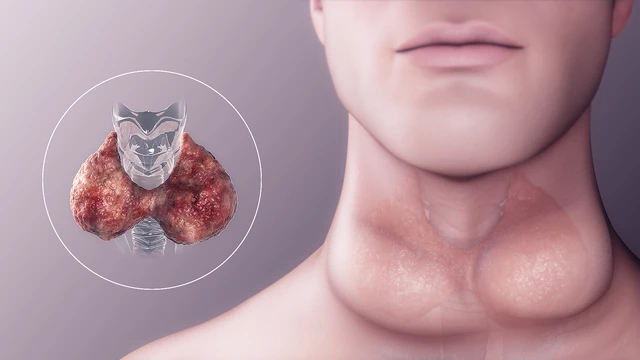
Anaplastic Thyroid Carcinoma (ATC) is a rare, but highly aggressive form of thyroid cancer. It usually occurs in older adults, and often develops from a long-standing goitre or previous thyroid disease (like papillary or follicular carcinoma that has changed into a more malignant form).
In simple words — it’s a fast-growing, severe thyroid tumor that spreads rapidly to nearby structures like neck, windpipe (trachea), and sometimes even to lungs or bones.
From the homeopathic point of view, such a condition represents the deepest level of imbalance in the body’s vital force, where the natural defense mechanism is too weak to maintain cellular harmony. The treatment, therefore, focuses on supporting vitality, slowing the progression, and relieving suffering gently and naturally.
“Anaplastic Thyroid Carcinoma is the body’s extreme call for inner balance — not just removal of a lump, but restoration of life energy that lost its rhythm.”
Homeopathy aims to support the patient as a whole being, restoring calmness, energy, and comfort, while working gently with the body’s own healing intelligence.
Causes
Modern medicine links ATC to genetic mutations and chronic irritation of the thyroid.
But from a holistic view, it can be seen as the final stage of degeneration after years of ignored glandular imbalance.
Main causes include:
- Genetic mutations in TP53, BRAF, or RAS genes.
- History of long-term goitre or thyroid cancer that turns more aggressive.
- Exposure to radiation to the neck or thyroid region.
- Chronic inflammation or autoimmune thyroid disease (like Hashimoto’s).
- Suppressed emotions or prolonged grief/stress, which disturb hormonal flow and cellular regulation.
Symptoms
This condition progresses very fast — symptoms appear suddenly and worsen quickly.
- Rapidly enlarging neck mass — often hard and fixed.
- Pain in neck or jaw.
- Difficulty in swallowing (dysphagia) or breathing (dyspnea)** due to pressure on trachea or esophagus.
- Hoarseness of voice (due to nerve involvement).
- Swelling of neck veins or visible engorged neck.
- Weight loss and weakness.
- Cough or bloody sputum if lungs are involved.
- General exhaustion and anxiety.
Diagnosis
Physical exam – Rapidly enlarging hard mass in thyroid region.
- FNAC (Fine Needle Aspiration Cytology) – confirms undifferentiated cancer cells.
- Biopsy & genetic testing – To detect mutations.
- CT/MRI/PET scans – To assess spread to chest or other areas.
- Calcitonin levels – Usually normal (helps differentiate from Medullary carcinoma).
Homeopathic Perspective
In homeopathy, Anaplastic Thyroid Carcinoma represents a syphilitic miasm in its most destructive phase, where there is rapid tissue breakdown and loss of function.
The goal of homeopathic treatment is:
- To slow down the destructive process.
- To stimulate the body’s remaining vitality.
- To reduce pain, anxiety, and discomfort naturally.
- To support emotional and mental calmness.
- To work alongside conventional treatment, improving tolerance to surgery or therapy.
Homeopathy looks at this disease not just as a “cancer,” but as a total expression of imbalance — physical, emotional, and energetic.
Homeopathic Remedies
(For learning and understanding purpose — actual prescription must be constitutional)
- Conium maculatum – When hard, stony glandular tumors develop after long emotional suppression; suited to slow-growing nodules that later become malignant.
- Carcinosin – For those with deep cancer diathesis (family history of cancer), over-responsibility, and emotional restraint; brings inner healing and reduces recurrence.
- Phytolacca decandra – For hard, painful thyroid swellings radiating to ears or chest; detoxifies glandular tissues.
- Lycopodium clavatum – For thyroid swelling more on the right side, with digestive issues, gas, and irritability; useful in chronic degenerative cases.
- Arsenicum album – For advanced cases with exhaustion, burning pains, restlessness, and anxiety about health or death.
- Silicea terra – Helps expel unhealthy tissue, promotes immune regulation, and supports tissue repair gently.
- Hydrastis canadensis – In cases with weakness, ulceration, and foul discharge; supports the mucosal system and improves appetite.
These remedies are given after careful constitutional assessment. No two cancer patients are alike, hence individualization is key in homeopathic treatment.
Lifestyle & Supportive
Nutritious diet – Include fresh vegetables, protein sources (pulses, eggs, milk), fruits, and antioxidant-rich foods like amla or turmeric.
- Avoid processed, fried, or preserved foods.
- Stay hydrated – 8–10 glasses of water daily to flush out toxins.
- Stress management – Meditation, slow breathing, music, and family support are vital.
- Gentle physical activity – Light yoga or morning walk improves circulation and oxygenation.
- Emotional peace – Express emotions freely; suppression is harmful in chronic diseases.
Conventional Medical Line
Surgery (where possible) – Thyroid removal (though often difficult due to spread).
- Radiation therapy or chemotherapy – To reduce tumor burden.
- Targeted therapy or immunotherapy – New drugs for specific mutations (like BRAF inhibitors).
Homeopathy can be used integratively, to:
- Improve strength during therapy.
- Reduce side effects of chemo/radiation.
- Support emotional and immune balance.
- Provide palliative relief in late stages.