Subclinical Hyperthyroidism
What is Subclinical Hyperthyroidism
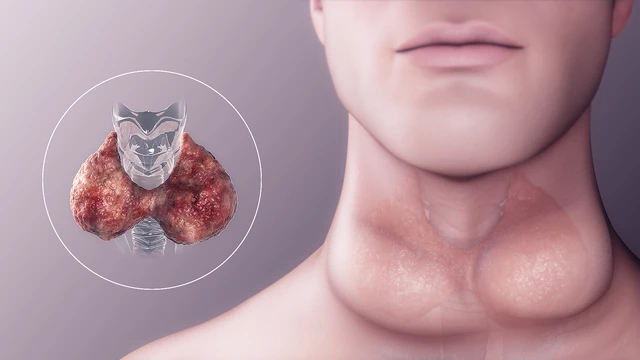
In simple words — Subclinical Hyperthyroidism means your thyroid gland is slightly overactive, but not enough to show full-blown symptoms.
- Your blood test shows a low TSH (Thyroid Stimulating Hormone) level, while T3 and T4 remain normal.
- It’s like your thyroid is quietly running faster than normal, but not creating obvious trouble — hence the name “subclinical” (below clinical level).
- It is often detected accidentally during routine thyroid testing.
Homeopathic Perspective
In homeopathy, Subclinical Hyperthyroidism is seen as a beginning imbalance in the vital force affecting the endocrine harmony.
- It indicates a mild hyperactivity of the thyroid, often triggered by:
- Emotional stress,
- Hormonal strain,
- Past suppressed thyroid disorder,
- Or even excessive stimulation from long-term medication.
Homeopathy views it as a functional disturbance before structural changes occur — a stage where the disease is most reversible naturally.
The goal in homeopathy is to regulate the thyroid rhythm, calm down the internal restlessness, and prevent it from progressing into full hyperthyroidism.
Causes
Early phase of Graves’ disease (autoimmune stimulation of thyroid).
- Excessive intake of thyroid hormone (medication overdose).
- Multinodular goiter producing extra hormone.
- Thyroiditis (temporary inflammation).
- Certain drugs like amiodarone or excess iodine exposure.
- Stress, anxiety, or hormonal imbalance (especially in women).
Symptoms
Since it’s subclinical, symptoms are often mild or absent, but some may notice:
- Slight anxiety, restlessness, or irritability.
- Palpitations or faster heartbeat.
- Mild heat intolerance or sweating.
- Trembling of hands.
- Increased appetite but no major weight change.
- Fatigue or disturbed sleep.
- Sometimes, irregular menstruation in women.
These subtle signs indicate that the body is under hidden stress from excessive thyroid stimulation.
Homeopathic Approach
Homeopathy does not just focus on the lab report — it looks at the person behind the imbalance.
The remedies aim to:
- Normalize thyroid hormone activity.
- Restore emotional and nervous balance.
- Support heart rhythm and metabolism.
- Prevent conversion to full hyperthyroidism.
The treatment is individualized based on the patient’s constitution, personality, and exact pattern of symptoms.
Homeopathic Medicines
Lycopus virginicus – Acts directly on overactive thyroid; helps regulate palpitations and anxiety.
- Spongia tosta – For thyroid swelling with anxiety, dry heat, and tight throat feeling.
- Natrum muriaticum – For thyroid imbalance linked with emotional grief, silent stress, or hormonal disturbance.
- Iodum – For lean, restless, and overheated patients with high metabolism tendency.
- Phosphorus – For sensitive, nervous individuals with heat intolerance and palpitations.
(Note: Medicine selection should always be based on complete case history and constitution.)
Lifestyle &Care
Include balanced diet with adequate protein and natural iodine.
- Avoid stimulants like caffeine and excess iodized salt.
- Practice yoga, pranayama, and relaxation techniques to calm the nervous system.
- Ensure 7–8 hours of proper sleep.
- Regular mild exercise to stabilize metabolism.
- Regular thyroid check-ups every 3–6 months.
Summary
“Subclinical Hyperthyroidism means your thyroid is beginning to work faster than normal, but you may not feel much different yet.
Homeopathy helps by calming down the overactive thyroid naturally, balancing your emotions and metabolism, and preventing future complications — all without chemical suppression.”