Cervical Spondylotic Myeloradiculopathy
What is Cervical Spondylotic Myeloradiculopathy
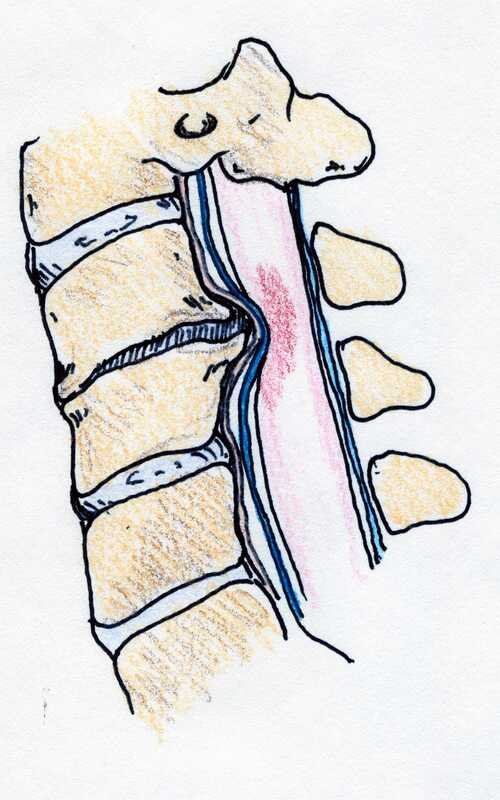
Cervical Spondylotic Myeloradiculopathy (CSMR) is a combined form of two conditions:
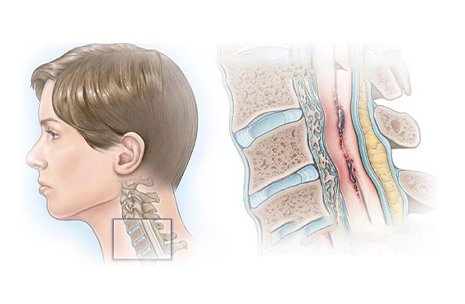
- Myelopathy → Compression of the spinal cord, and
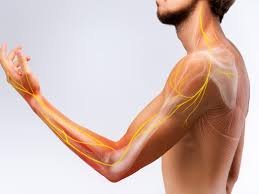
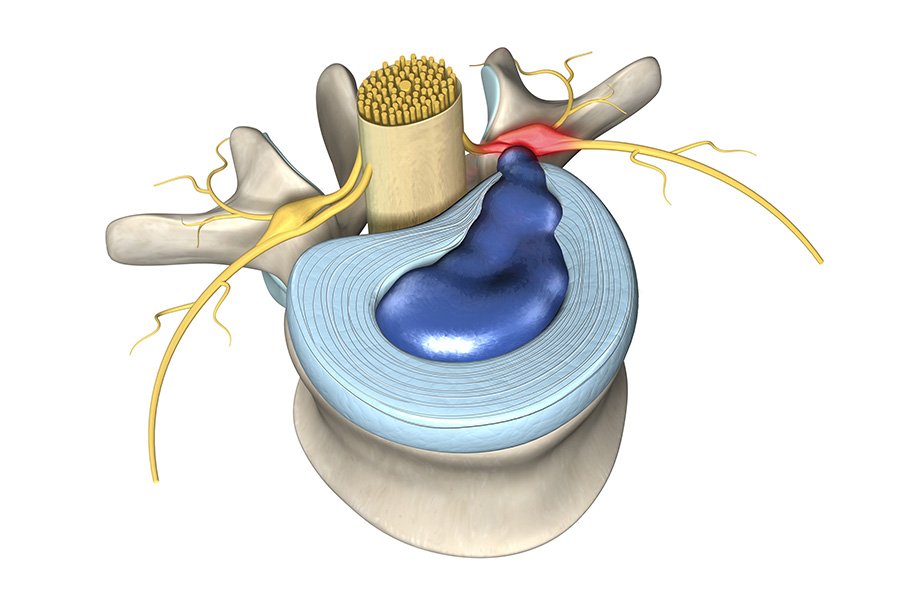
- Radiculopathy → Compression of the nerve roots coming out of the spinal cord.
In simple terms — this means both the spinal cord and the nerve roots in the neck area are being pressed due to degenerative changes like:
- disc bulging,
- bone overgrowth (osteophytes),
- or thickened ligaments.
Homeopathically, it reflects a deep-seated disorder of the vital force, where degeneration and pressure have reached both central (spinal cord) and peripheral (nerve roots) pathways.
Thus, both upper motor neuron and lower motor neuron symptoms appear together.
Pathophysiology
Due to long-term wear and tear or neck strain, the cervical vertebrae and discs lose their elasticity.
Gradually, the bones enlarge and ligaments thicken — this narrows the spinal canal, compressing the spinal cord and nerves.
Homeopathically, this indicates:
- Loss of flexibility of tissues (a sycotic and syphilitic miasmatic influence),
- Degenerative weakness of the nervous system,
- Suppression of early inflammatory reactions, which could have prevented deeper pathology.
- So, the body — unable to repair naturally — ends up forming rigid, bony structures that block nerve energy.
Symptoms
Because both spinal cord and nerve roots are involved, symptoms are mixed — both central and peripheral.
- Neck & Nerve Root Symptoms (Radiculopathy features):
- Sharp, shooting pain from neck → shoulder → arm → fingers
- Tingling, numbness, or burning in one or both arms
- Weak grip strength or dropping objects easily
- Pain worsens on neck movement or sneezing
- Spinal Cord Symptoms (Myelopathy features):
- Heaviness or stiffness in both legs
- Difficulty in walking or balance issues
- Loss of fine finger movement (difficulty buttoning shirt, handwriting)
- Tingling or electric-shock sensation down the spine when bending neck (Lhermitte’s sign)
- Clumsy gait, weakness, or tightness in legs
- Bladder or bowel issues in advanced cases
These symptoms show that the vital nerve communication between brain and body is partially blocked — the hallmark of this condition.
Diagnosis
Though homeopathy treats symptomatically and constitutionally, clinical confirmation is essential.
Usually confirmed by:
- MRI Cervical Spine — shows spinal canal narrowing and nerve compression
- Neurological Exam — reflex changes, weakness, coordination loss
- EMG/Nerve Conduction — to see nerve damage pattern
Homeopaths use this information only to understand the extent of degeneration, but the focus remains on curing the person, not just the MRI report.
Homeopathic Perspective
In homeopathy, Cervical Spondylotic Myeloradiculopathy is viewed as:
- A chronic miasmatic disorder — where degenerative and destructive forces have overpowered the body’s natural healing intelligence.
- Hence, the aim of treatment is not only to relieve pain but to:
- Stop further degeneration of spine and nerves
- Re-establish nerve conductivity
- Improve spinal flexibility and strength
- Rebuild the body’s vitality from deep within
Homeopathic Remedies
Remedy Indications
Kalmia Latifolia One of the most important remedies — for neck and nerve pains radiating to arms/hands, numbness, tingling, and electric-like shooting pains. Especially when one side of body feels weaker.
Conium Maculatum For chronic neck stiffness with giddiness, weakness of limbs, and progressive degeneration — especially in elderly patients.
Causticum For gradual paralysis or stiffness due to spinal cord involvement; patient feels weak, heavy, and cannot hold things properly.
Phosphorus For nerve degeneration, burning sensations, tingling, and weakness — especially when the patient feels anxious, sensitive, and weak.
Plumbum Metallicum For slow progressive paralysis, tightness, and loss of coordination — indicating deep spinal degeneration.
Gelsemium For weakness, trembling, and heaviness of limbs; patient feels dull, tired, and mentally sluggish.
Agaricus Muscarius For twitching, jerking, and trembling from spinal irritation; sensation as if frostbitten or icy cold parts.
Silicea For chronic, slow repair and weakness of bones and nerves; helps rebuild degenerative tissues.
Remedy selection depends on constitution, mental state, and particular symptom pattern — not merely on MRI findings.
Lifestyle & Supportive
To assist homeopathic recovery:
- Avoid sudden jerky neck movements
- Keep neck posture straight, especially during mobile or computer use
- Warm compress or gentle dry heat may relieve stiffness
- Perform neck and shoulder exercises (under guidance)
- Avoid pillow too high or too soft
- Maintain calcium and vitamin D intake
- Meditation, stress relief, and proper sleep help nervous recovery
- Avoid suppression of early pain with heavy painkillers
The aim is to keep neck flexible, nerves active, and vitality strong.
Prognosis
With regular and individualized homeopathic treatment:
- Pain and tingling start reducing within weeks
- Coordination and grip strength gradually improve
- Balance and walking steadiness return
- Further degeneration slows down significantly
Severe structural damage may take time, but progression halts and function improves naturally.
Summary
Cervical Spondylotic Myeloradiculopathy = Cord + Root Compression — a deep degenerative disorder causing weakness, tingling, and stiffness in both arms and legs.
Homeopathy approaches this not as a mere “neck problem,” but as a vital nerve imbalance, aiming to revitalize the spine, restore nerve flow, and rebuild lost vitality gently and permanently.
In short:
“Homeopathy heals from the center — restoring harmony between the brain, spinal cord, and body, without surgery or dependency on painkillers.”