Night Blindness (Nyctalopia)
What is Night Blindness (Nyctalopia)
Night blindness, also known as Nyctalopia, is a condition where a person experiences difficulty seeing in dim light or darkness. It usually appears as poor vision at night, slow adjustment to darkness, or blurred vision in low light conditions — even though daylight vision might be normal.
From a homeopathic point of view, night blindness occurs due to weakness or functional disturbance in the retina, especially the rod cells (responsible for vision in dim light). Homeopathy aims to stimulate and restore retinal health, improve light perception, and enhance overall visual power.
Causes
- Vitamin A deficiency (most common)
- Retinitis pigmentosa (degenerative eye disease)
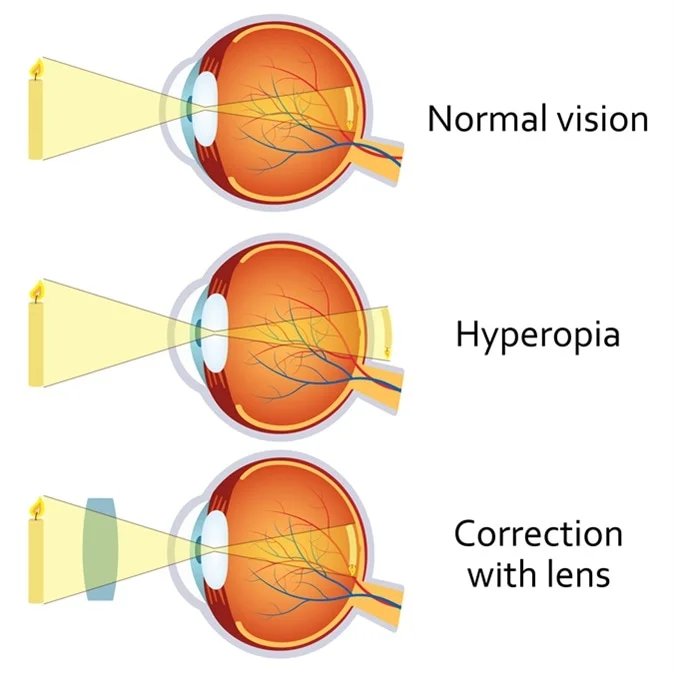
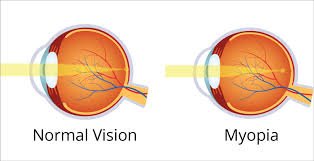
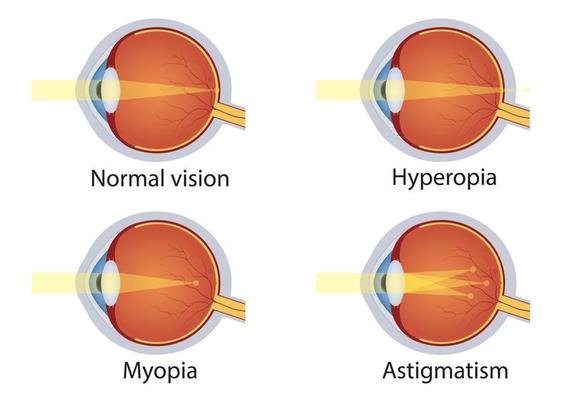
- Long-standing myopia (near-sightedness)
- Cataract or glaucoma
- Chronic eye strain or general weakness
- Diabetes or liver disorders
- Prolonged exposure to screen light or night driving strain
Symptoms
- Poor vision in dim light or at night
- Difficulty recognizing faces or objects in low light
- Longer time needed for eyes to adjust to darkness
- Halo or glare around lights at night
- Dryness, itching, or burning in eyes
- In advanced cases — narrowing of visual field (tunnel vision)
Homeopathic Remedies
1. Belladonna
- Eyes highly sensitive to both bright and dim light.
- Vision blurred in dark; pupils dilated.
- Useful in acute retinal congestion or early inflammatory causes.
2. Sulphur
- Dimness of sight, especially in evening or in candlelight.
- Burning and dryness in eyes; vision worse in low light.
- Suited to people with poor nutrition, skin eruptions, or general sluggishness.
- Helps in restoring retinal vitality and improving vitamin absorption.
3. Phosphorus
- Excellent remedy for retinal weakness.
- Difficulty seeing in twilight; halo or mist before eyes.
- Suited to tall, nervous, or sensitive individuals.
- Acts deeply on optic nerve and retinal cells.
4. Calcarea Carbonica
- Vision weak in dim light; frequent blinking or eye fatigue.
- Suited to persons with chilly nature, weak digestion, or sluggish metabolism.
- Helps in slow degenerative changes of retina.
5. Natrum Muriaticum
- Eyes smart and ache in dim light; flickering or blurring in evening.
- Helpful when night blindness alternates with eye strain or migraine.
6. Gelsemium
- Weakness of sight, especially in dim or artificial light.
- Eyes feel heavy and drooping; general muscular weakness.
- Useful in nervous exhaustion and fatigue-related vision loss.
7. Ruta Graveolens
- Eye strain from prolonged reading or screen use leading to dim vision at night.
- Relieves tired, aching eyes and strengthens ocular muscles.
Natural & Lifestyle
- Include Vitamin A-rich foods – carrots, spinach, papaya, mango, pumpkin, and cod liver oil.
- Avoid prolonged screen exposure, especially in dark surroundings.
- Practice eye yoga or palming exercises to relax eye muscles.
- Get regular sleep and avoid night-time overwork.
- Use mild light during night navigation to prevent sudden glare.
Conclusion
Homeopathy aims to restore natural visual adaptation to light and dark by strengthening retinal and optic functions. When taken under expert guidance, it can significantly improve vision comfort and prevent progression of night blindness — especially when linked to nutritional or functional causes rather than irreversible damage.