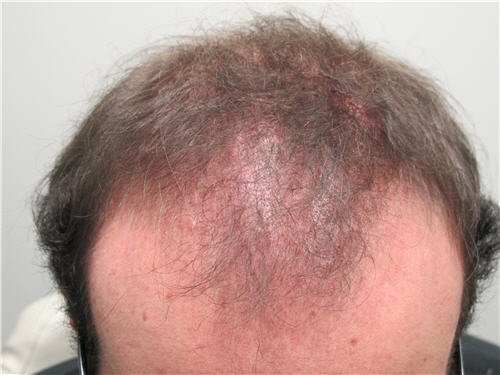
Androgenetic Alopecia (Pattern Baldness)
What is Androgenetic Alopecia (Pattern Baldness)
Androgenetic Alopecia (AGA), also called pattern baldness, is the most common type of hair loss in both men and women.
- In men, it appears as a receding hairline and thinning at the crown, eventually leading to partial or complete baldness.
- In women, it causes diffuse thinning on the top and crown, but the hairline is usually preserved.
It is mainly influenced by genes (hereditary tendency) and hormones (especially dihydrotestosterone – DHT).
Causes
From a homeopathic view, AGA is not only about hormones or genes – it reflects a deeper imbalance in the body, including:
- Genetic predisposition (family history).
- Hormonal imbalance (excess sensitivity to DHT).
- Stress, grief, or mental strain (triggers early onset).
- Digestive weakness & poor nutrition (weak absorption of nutrients).
- Chronic diseases like thyroid issues, anemia, diabetes.
- Lifestyle habits – late nights, junk food, lack of exercise.
Symptoms
- Men – Receding hairline (M-shaped), thinning at crown, eventual baldness.
- Women – Widening of part-line, diffuse thinning on crown, hair volume reduces but rarely complete baldness.
- Hair becomes thin, weak, and falls in bunches.
- Often associated with dandruff, oily scalp, or itching.
- May cause emotional stress, low confidence, and anxiety.
Homeopathic Perspective & Treatment
Homeopathy views Androgenetic Alopecia as a constitutional disorder – meaning treatment is not just for the hair, but for the whole person.
The goal is to reduce hair fall, stimulate regrowth, improve hair quality, and slow down progression naturally.
- Unlike external chemical treatments, homeopathy works internally by correcting:
- Hormonal imbalances (DHT sensitivity).
- Stress and emotional triggers.
- Digestive and nutritional deficiencies.
- Family tendency by strengthening natural resistance.
Common Homeopathic Medicines for AGA
- Fluoricum acidum – For hereditary baldness, especially in young people. Hair falls in spots; scalp may itch.
- Phosphorus – Hair falls in bunches, early graying, scalp sensitive to touch, person often weak and anxious.
- Lycopodium clavatum – Baldness on temples and frontal area, premature graying, often with weak digestion and bloating.
- Silicea – Weak hair roots, brittle hair, scalp feels cold; suited for nervous, weak individuals.
- Thuja occidentalis – Hair loss with dandruff and oily scalp; often linked to hormonal imbalance or past vaccination effects.
- Sepia – In women with hair fall after childbirth, menopause, or hormonal imbalance (PCOS).
- Natrum muriaticum – Hair loss after grief, depression, or chronic headaches.
( Medicine selection must be individualized by a qualified homeopath based on full case history.)
Precautions & Self-Care
- Eat a balanced, protein-rich diet (milk, pulses, eggs, nuts).
- Include iron, zinc, Vitamin D, and B12 foods.
- Manage stress through yoga, meditation, or daily walks.
- Avoid excessive heat styling, chemical dyes, and tight hairstyles.
- Wash scalp regularly but with mild shampoo.
- Sleep adequately – late nights and stress worsen baldness.
Summary
Androgenetic Alopecia is common but not hopeless.
While modern medicine often offers only temporary solutions (lotions, surgeries), Homeopathy works at the root level – balancing hormones, reducing stress effects, and stimulating natural regrowth.
With proper homeopathic treatment + lifestyle changes, hair fall can be controlled, regrowth improved, and baldness progression slowed down naturally.