Anal Cancer
What is Anal Cancer
Anal cancer is a growth of abnormal cells in the anus (the opening through which stool passes out).
It is less common than colon or rectal cancer, but it is important because symptoms are often confused with piles (hemorrhoids) or fissures.
Causes / Risk Factors
- Human Papilloma Virus (HPV) infection – the most common cause.
- History of anal warts.
- Weakened immunity (HIV infection, long-term steroid use).
- Smoking.
- Chronic inflammation or irritation of anal region.
- Older age (usually >50 years).
More common in women than men.
Symptoms
- Bleeding from anus (often mistaken for piles).
- Pain or burning in anal area.
- Lump or growth around the anus.
- Itching or irritation in anal canal.
- Discharge from anus.
- Change in bowel habits – frequent urge, incomplete evacuation.
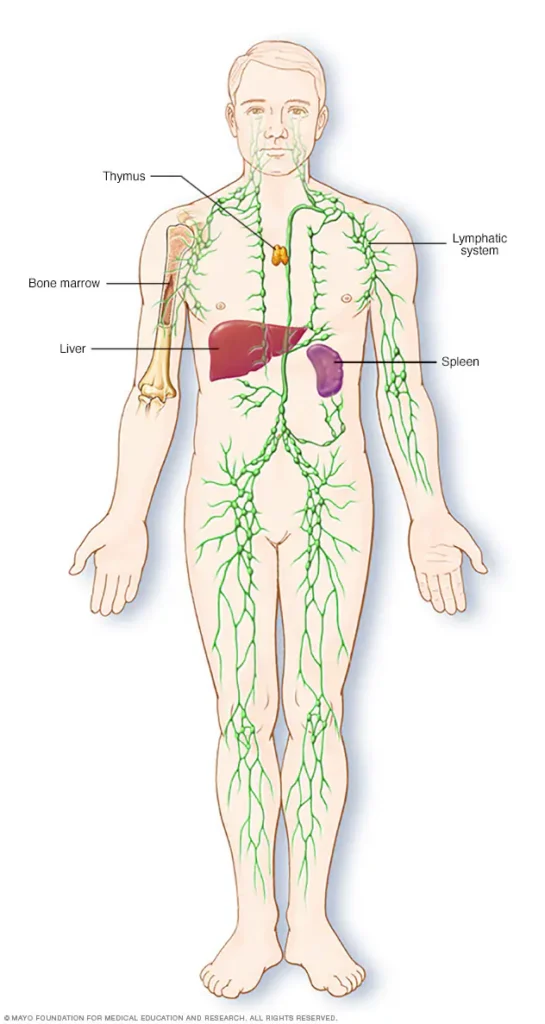
- In advanced cases – swelling in groin (lymph nodes).
Important: Because symptoms look like piles, fissures, or fistula, many patients ignore it. Persistent symptoms must be checked.
Homeopathic Perspective
In homeopathy, treatment is selected as per the whole patient picture – mental, emotional, and physical.
Goals:
- To reduce pain, burning, itching, and bleeding.
- To shrink abnormal growths naturally.
- To improve immunity and prevent recurrence.
- To support overall strength and energy.
Commonly indicated remedies (selected by constitution):
- Nitric acid – for painful cracks, bleeding, and sharp rectal pains.
- Thuja – for warty growths, HPV-related conditions.
- Arsenicum album – for burning pain, anxiety, and restlessness.
- Carbo vegetabilis – when extreme weakness, bloating, and gas are present.
- Causticum – for anal warts, soreness, burning.
- Carcinosin – when there is strong family history or tendency towards cancer.
(A skilled homeopath chooses the right remedy after detailed case study, not by symptoms alone.)
Precautions & Lifestyle
- Keep the anal region clean and dry.
- Eat fiber-rich food to avoid constipation.
- Drink enough water to soften stools.
- Avoid spicy, oily, fried food.
- Quit smoking and alcohol – they worsen risk.
- Practice safe sexual habits (to reduce HPV transmission).
- Get regular check-ups if bleeding, pain, or growth persists.