What is Structural Abnormalities of the Kidney
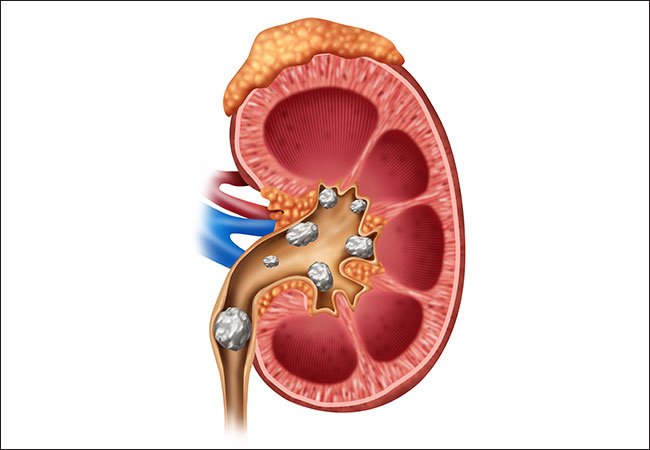
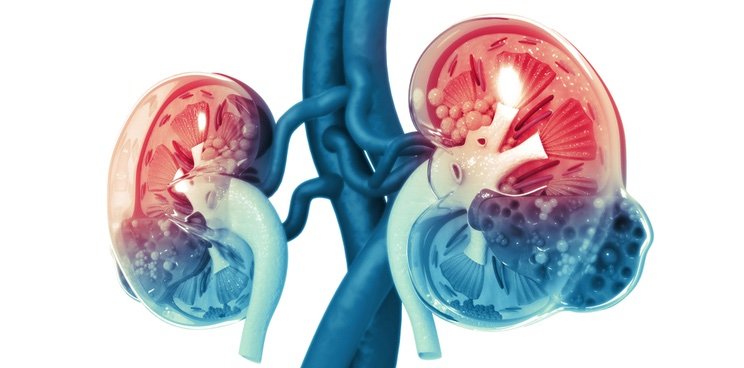
Structural abnormalities of the kidney are congenital or acquired defects in the shape, size, or position of the kidneys. These anomalies may affect one or both kidneys and can range from harmless to clinically significant. Common examples include horseshoe kidney, renal agenesis, ectopic kidney, polycystic kidney disease, and duplex collecting system. Some abnormalities remain asymptomatic, while others may predispose to urinary tract infections, kidney stones, hypertension, or impaired renal function. Diagnosis is usually made through ultrasound, CT, or MRI. Management depends on the type and severity of the abnormality, ranging from observation to surgical correction.
Horseshoe Kidney
- Most common congenital renal anomaly.
- Two kidneys are fused at their lower poles → forming a “U” or horseshoe shape.
- Occurs in about 1 in 400–600 people.
Features:
- Kidneys remain lower in abdomen (fusion prevents normal ascent).
- Often asymptomatic, but ↑ risk of:
- Hydronephrosis (due to ureter obstruction at crossing of isthmus).
Kidney stones.
- Infections (recurrent UTIs).
- Wilms tumor (rarely).
Treatment:
- Usually no treatment if asymptomatic.
- Manage complications: surgery for obstruction, antibiotics for infection, lithotripsy for stones.
Ectopic Kidney
- A kidney located in an abnormal position (e.g., pelvic kidney, thoracic kidney).
- Often unilateral.
Features:
May cause obstruction or reflux if ureter is abnormal.
Sometimes detected incidentally on ultrasound.
Treatment:
- Mostly observation if kidney functions well.
- Corrective surgery if obstruction or reflux present.
Crossed Fused Renal Ectopia
- One kidney crosses midline and fuses with the other kidney.
- Function is usually preserved.
- May cause obstruction, stones, or infections.
Renal Agenesis / Hypoplasia
- Unilateral Renal Agenesis → one kidney absent (usually asymptomatic if other kidney is normal).
- Bilateral Agenesis → incompatible with life (Potter’s sequence).
- Hypoplastic Kidney → small kidney due to poor development.
Duplex Kidney / Double Collecting System
- Two ureters draining one kidney (complete or partial duplication).
- Can cause reflux, obstruction, or recurrent UTIs.
- Polycystic Kidney Disease (already covered)
- Structural + genetic abnormality → multiple cysts enlarge kidneys.
Homeopathic Perspective
In structural kidney anomalies, homeopathy cannot change the anatomy, but it can:
- Reduce risk of stones and infections (Berberis vulgaris, Cantharis, Lycopodium).
- Manage hydronephrosis symptoms (Apis, Apocynum).
- Support general kidney function (Solidago, Terebinthina, Phosphorus).
- Help with constitutional tendencies in congenital cases (Calcarea carb, Tuberculinum).
Summary
Structural kidney anomalies include:
- Horseshoe Kidney (most common)
- Ectopic Kidney (pelvic, thoracic)
- Crossed Fused Ectopia
- Renal Agenesis / Hypoplasia
- Duplex Kidney
- Polycystic Kidney Disease
Most are silent but can predispose to stones, obstruction, and infection.
Treatment is usually conservative, with surgery for complications.
Homeopathy supports by controlling infections, stones, and maintaining kidney health.